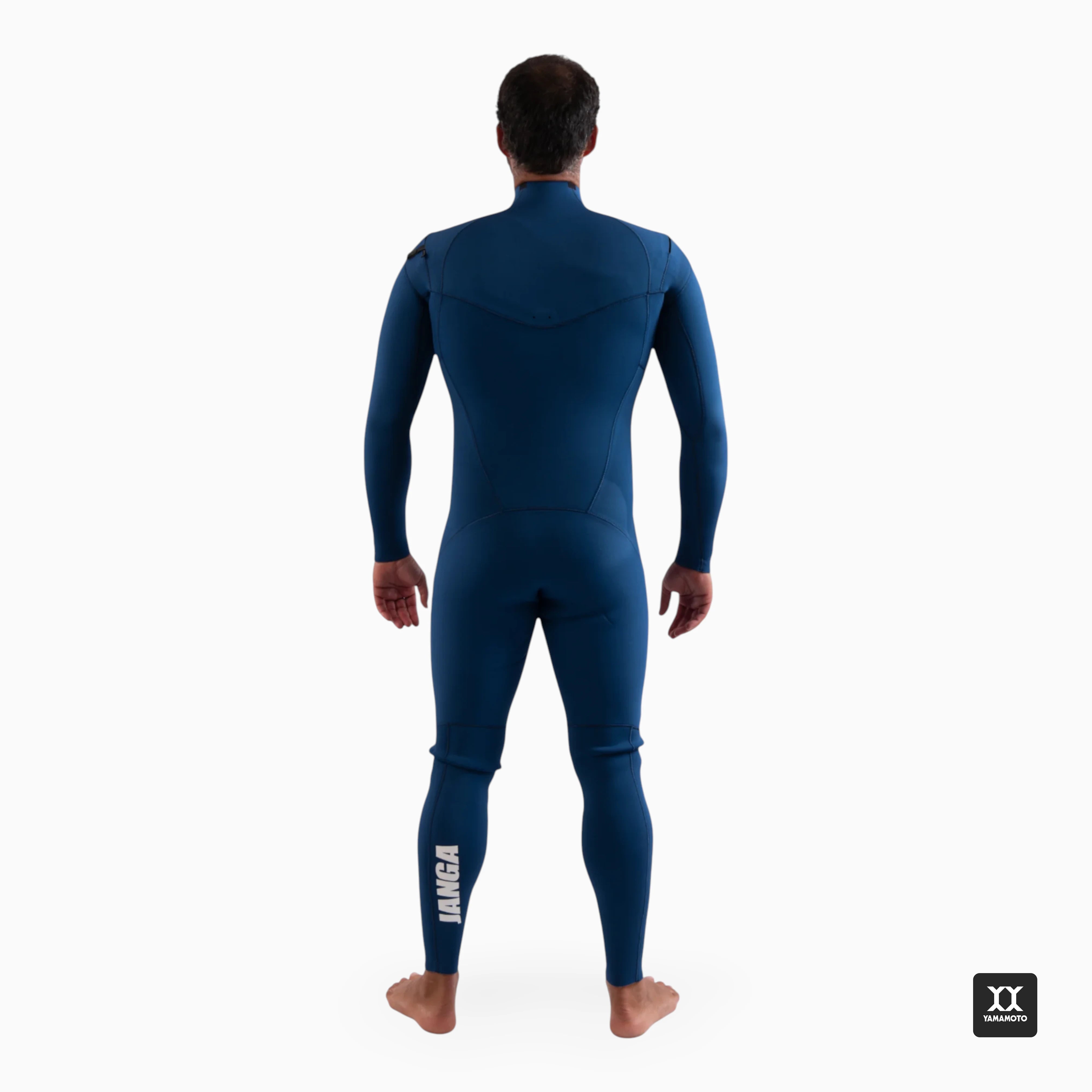
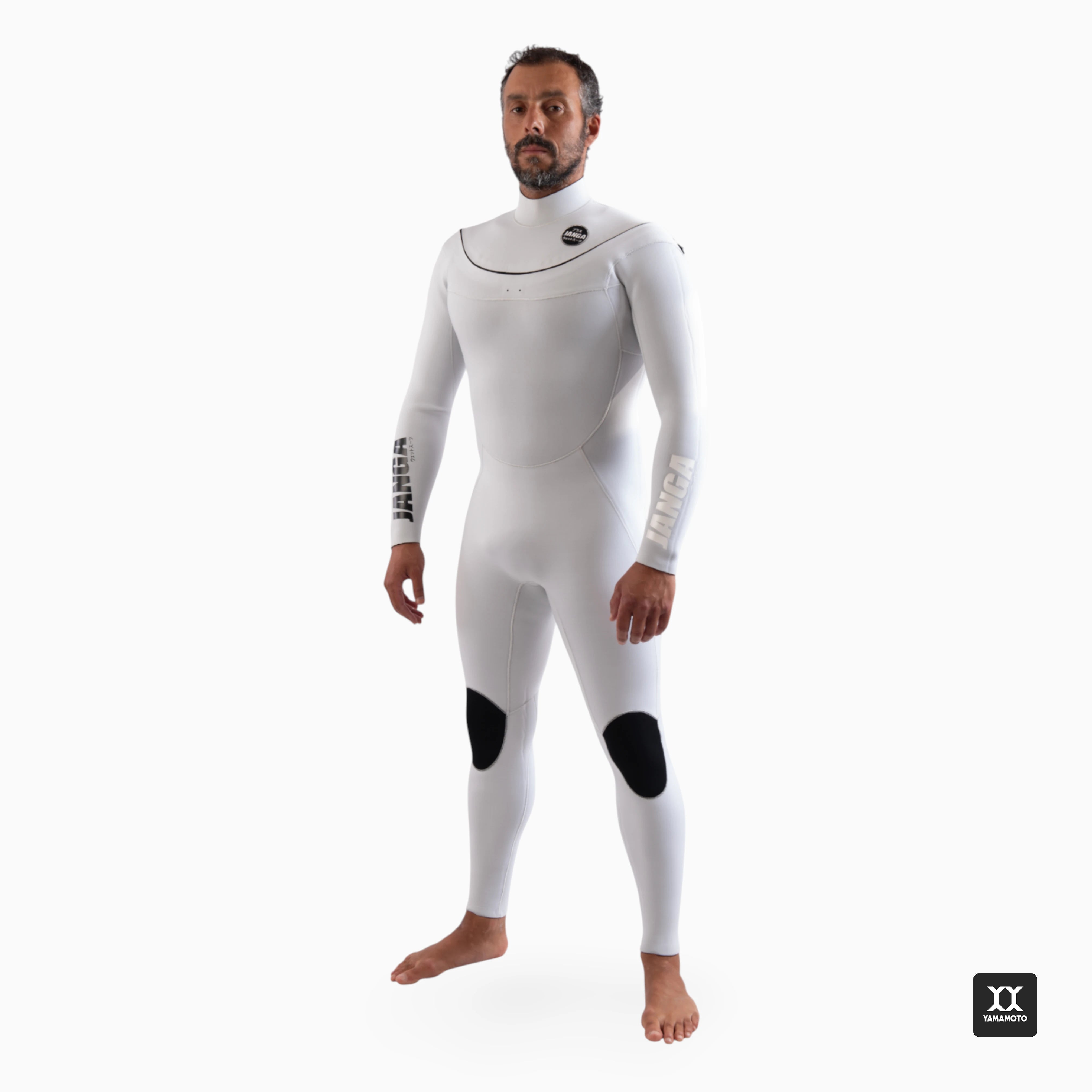
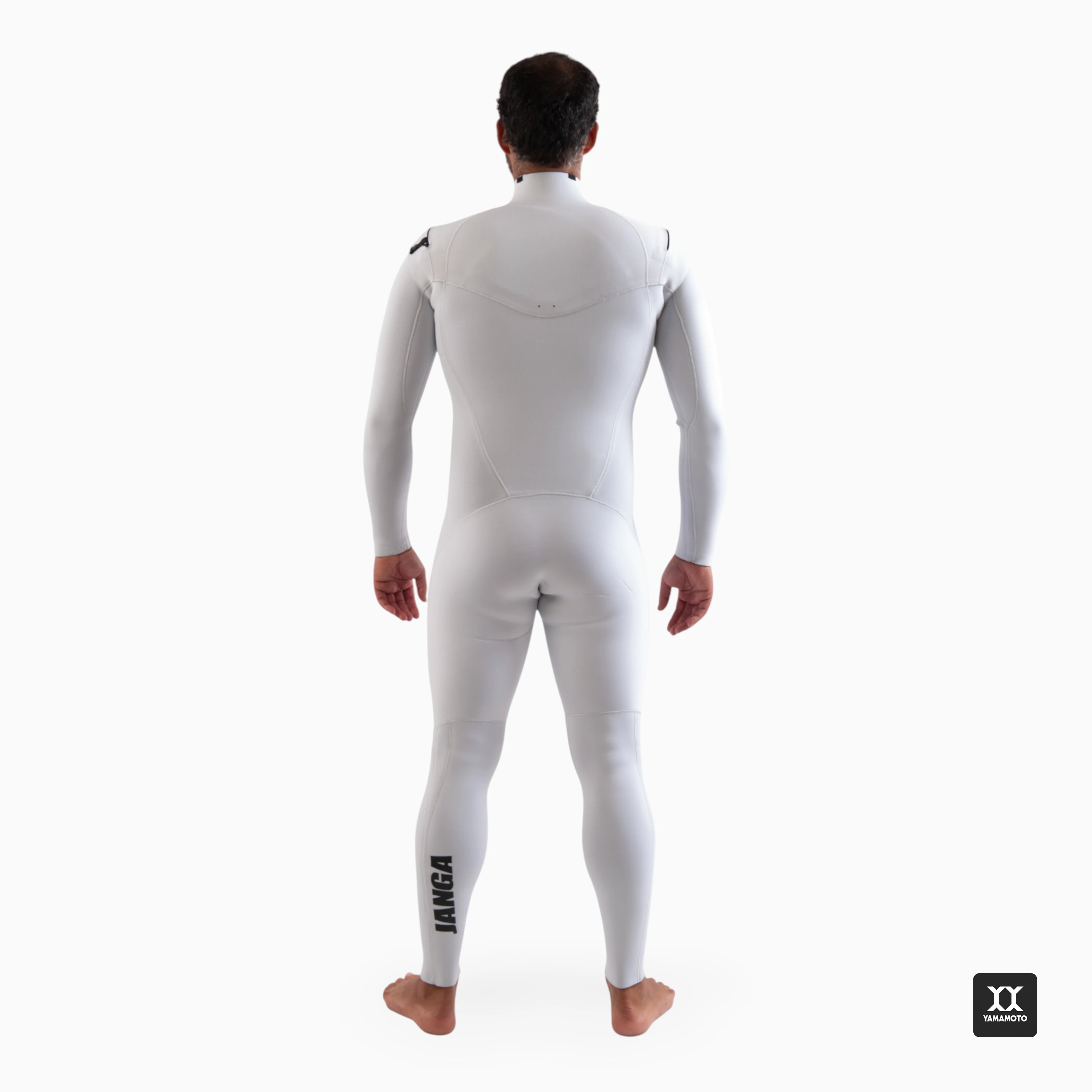
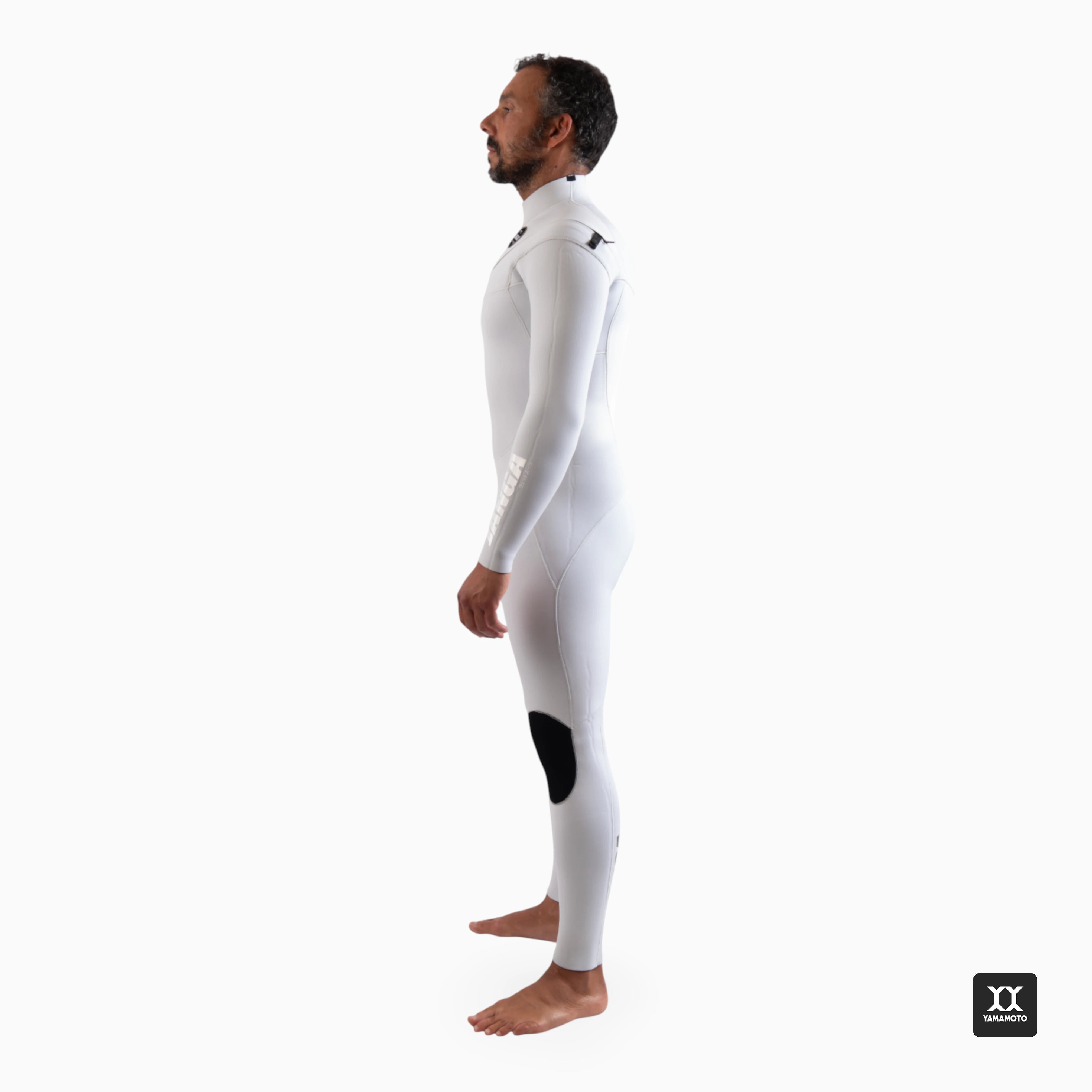
The Closed-Cell Advantage
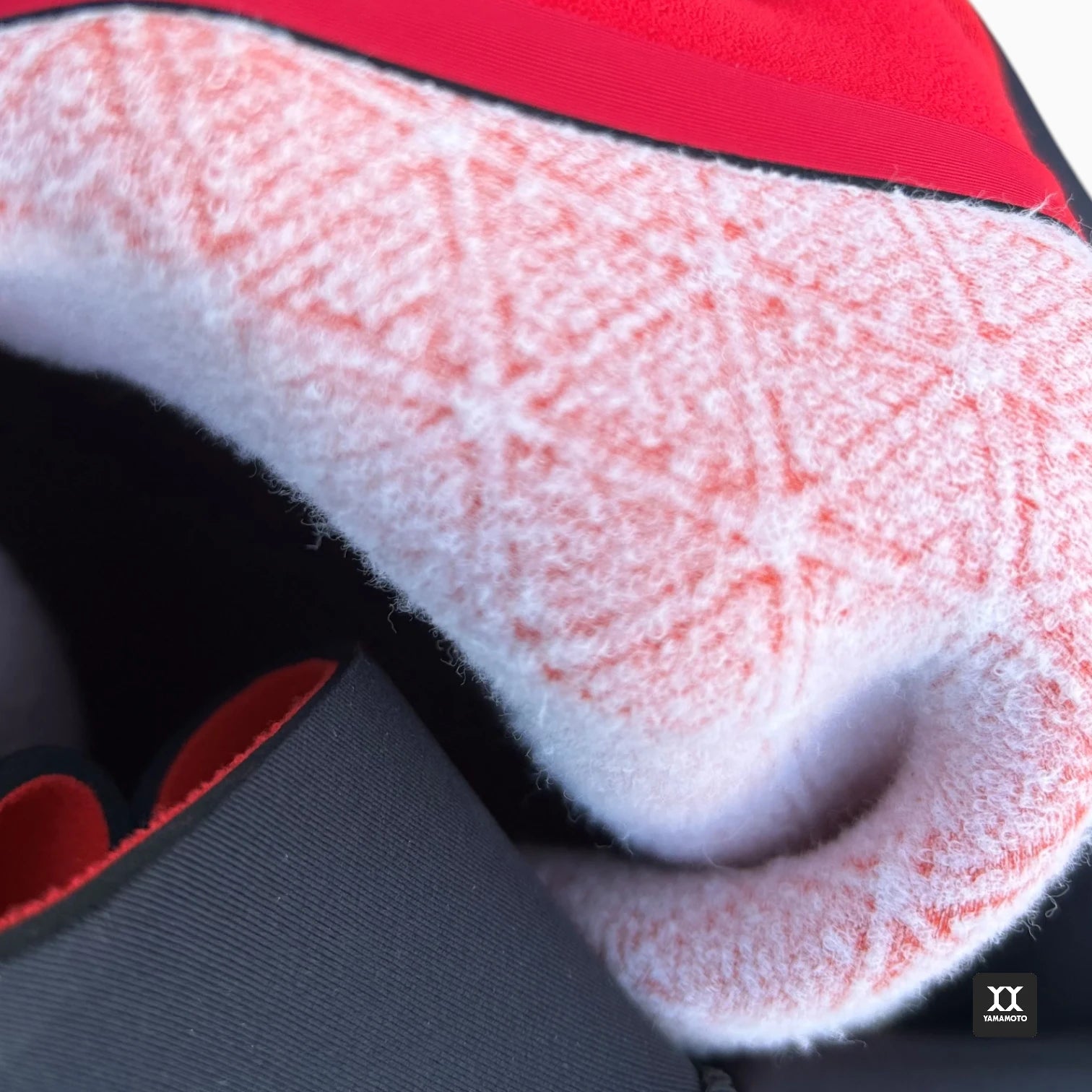
Yamamoto uses its proprietary manufacturing process. The limestone undergoes a specialized chemical reaction to produce chloroprene rubber chips, which are then melted, infused with nitrogen gas bubbles, and baked into foam blocks. The result? A honeycomb structure of independent, closed micro-cells.
The ultra-low density and optimized cell recovery means Yamamoto limestone neoprene can stretch to its maximum over 2,000 times without losing its shape. Traditional neoprene begins to deteriorate after just 300 stretches, leading to sagging at the elbows and knees.
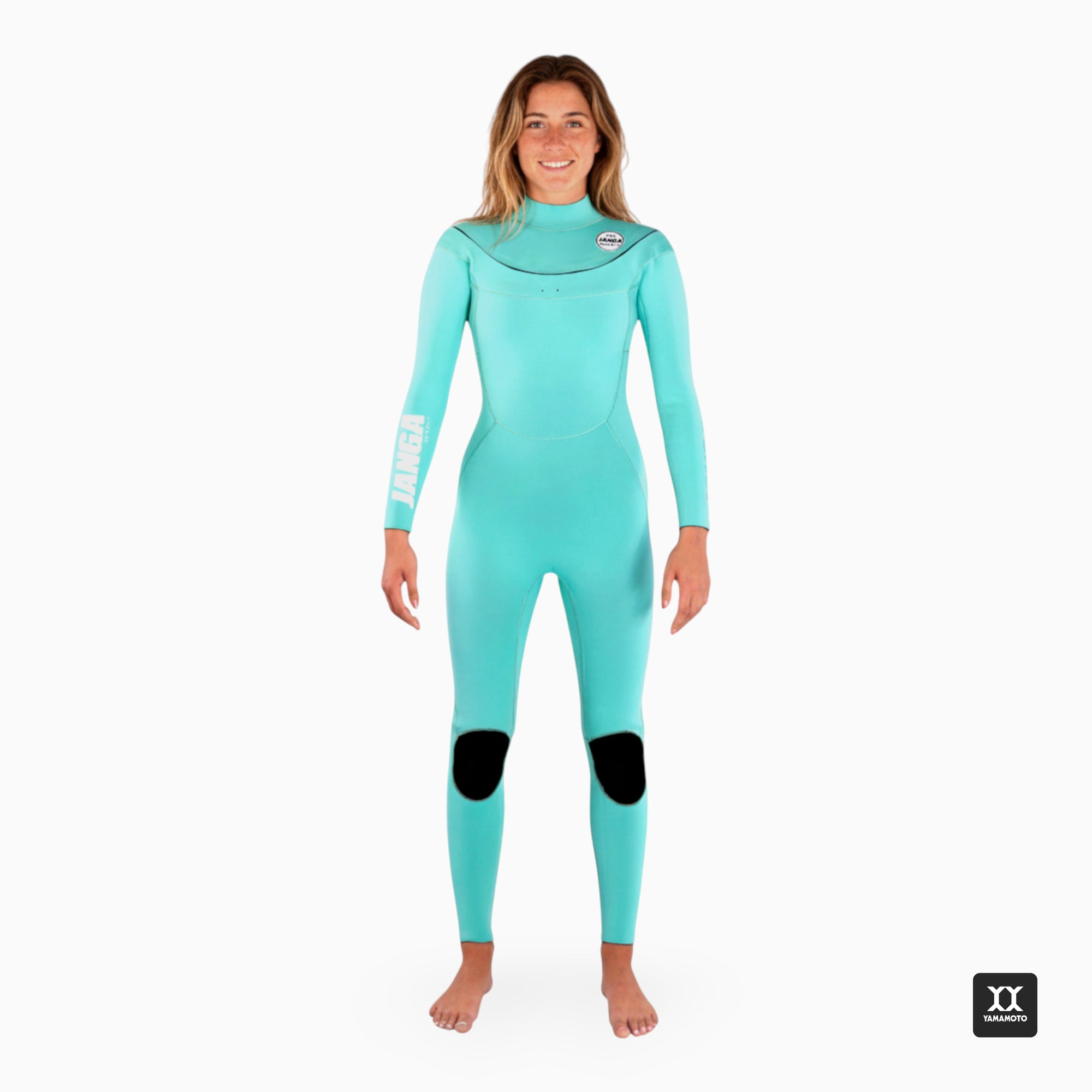
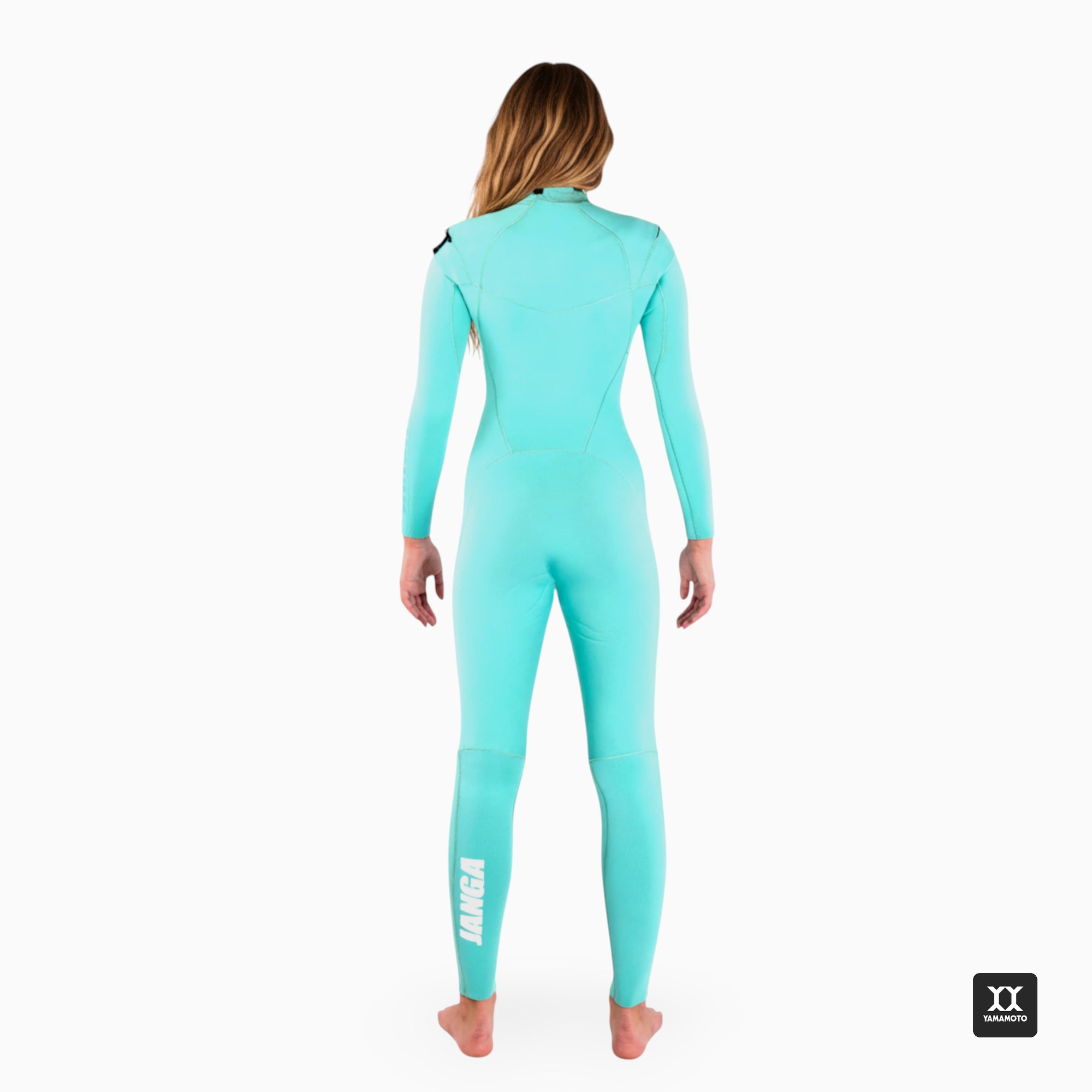
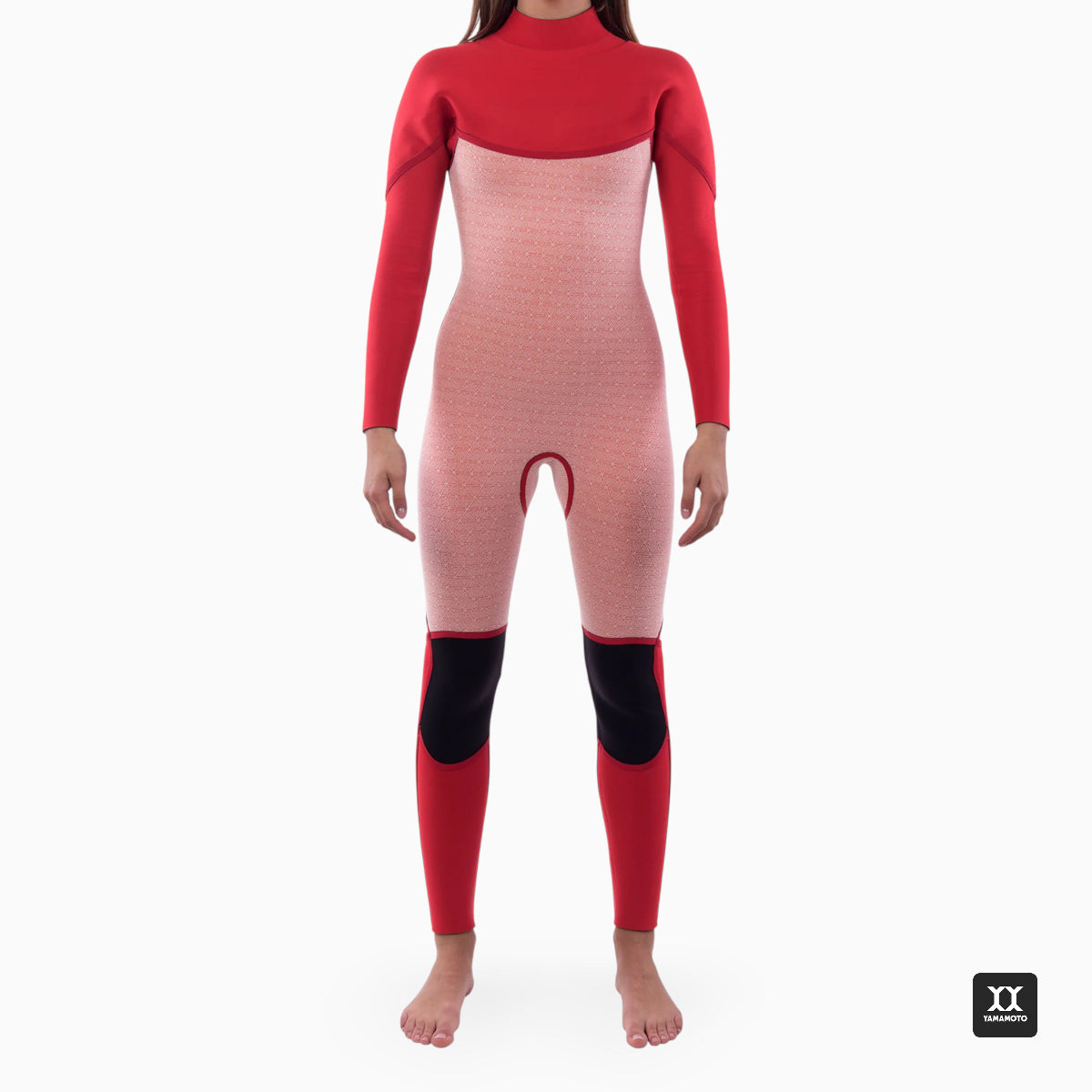
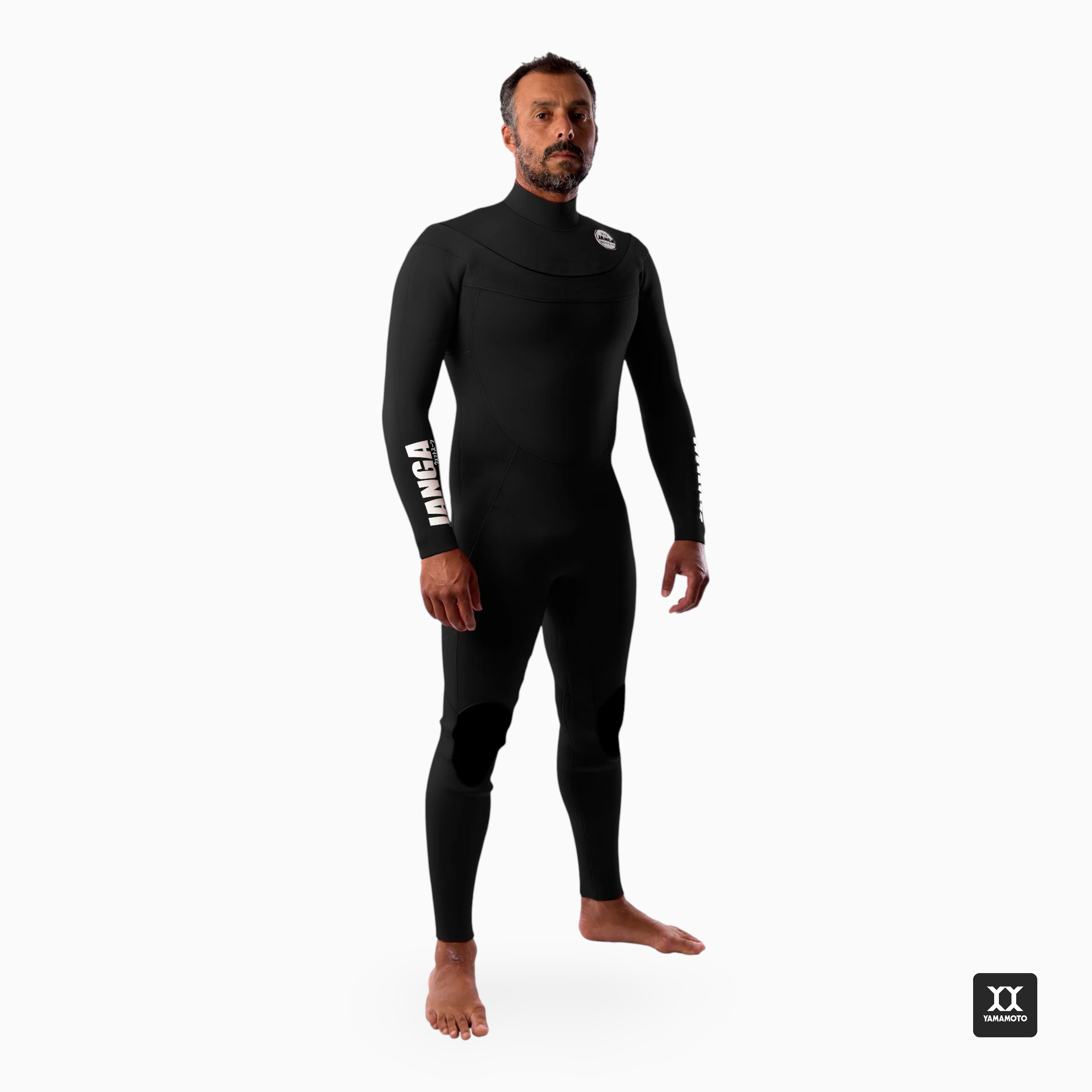
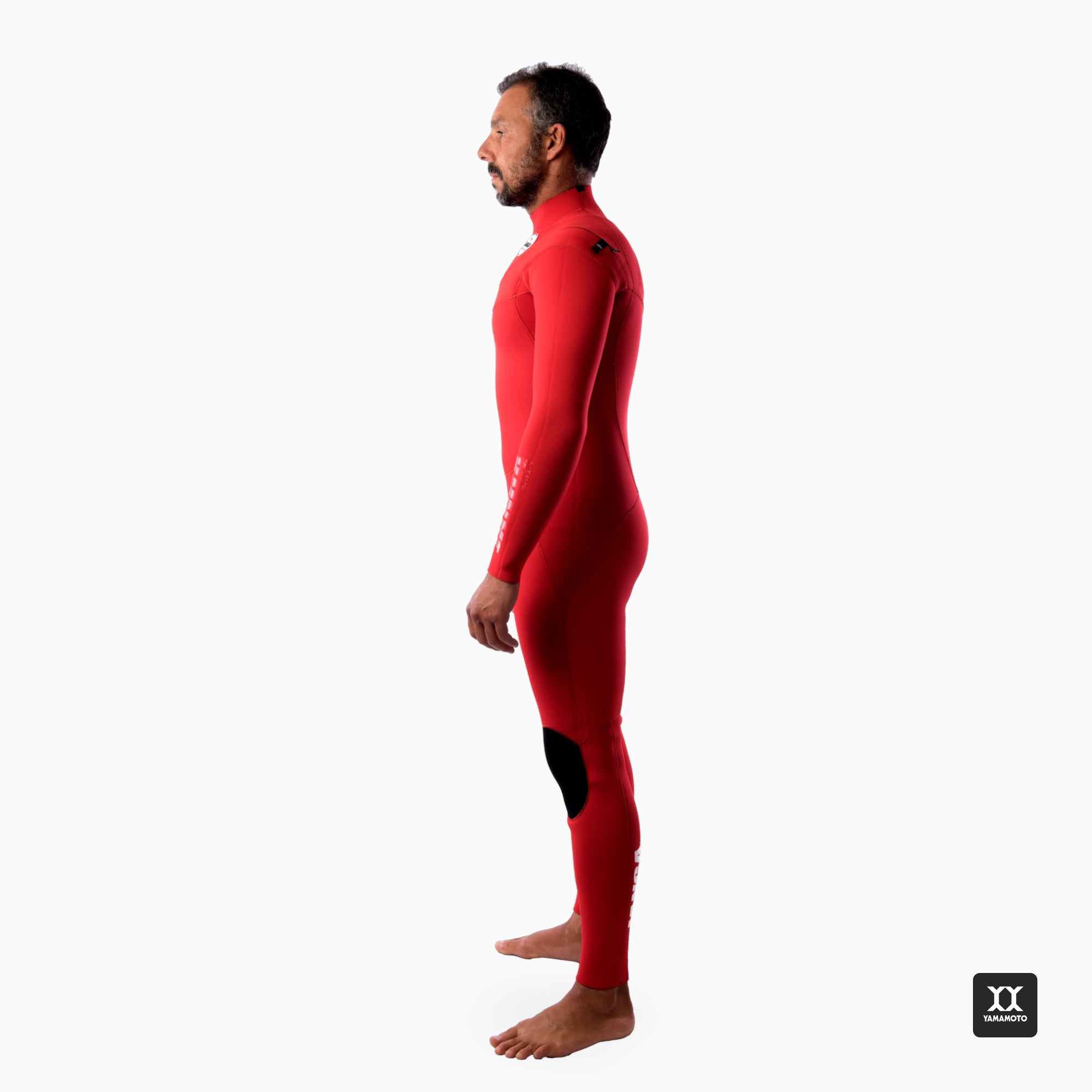
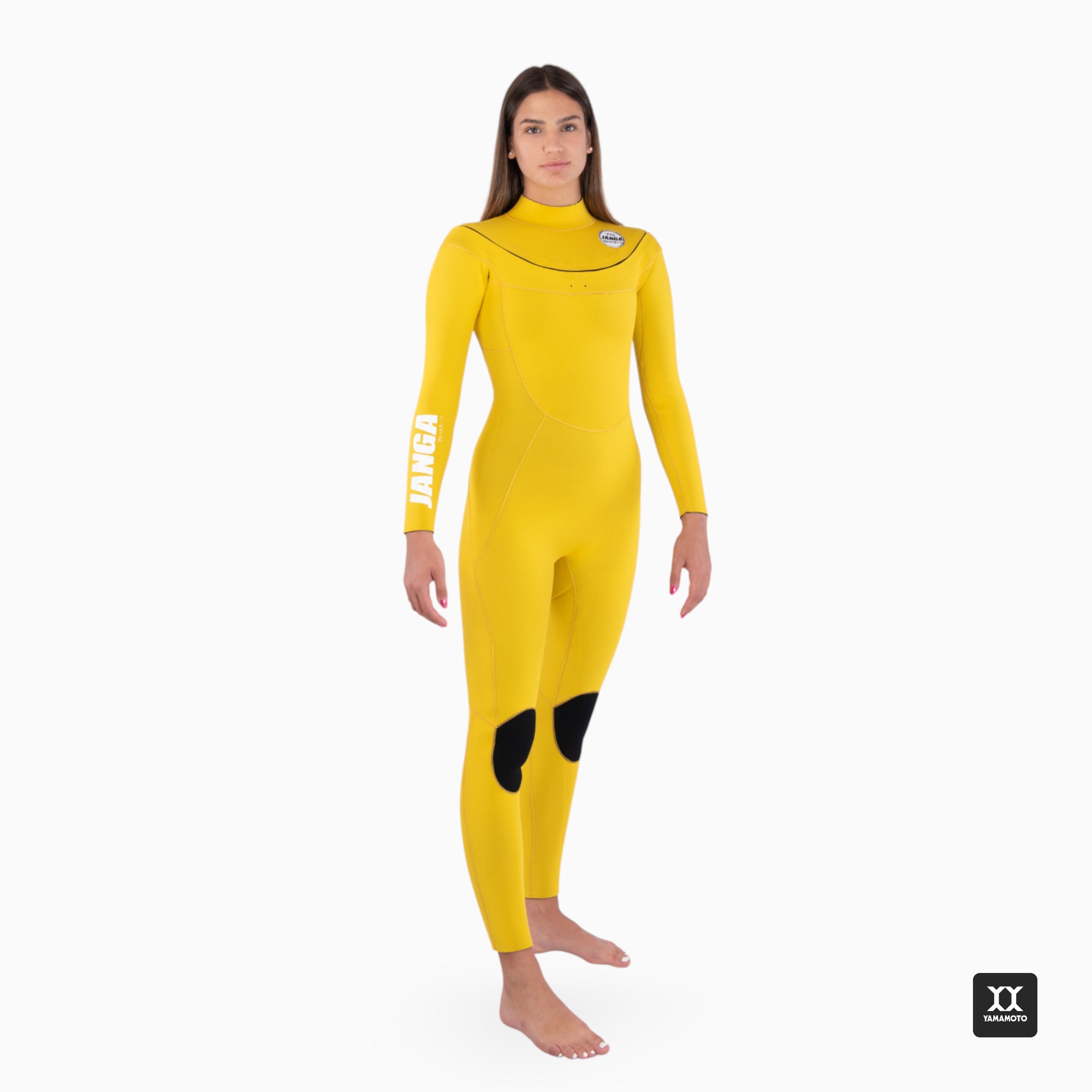
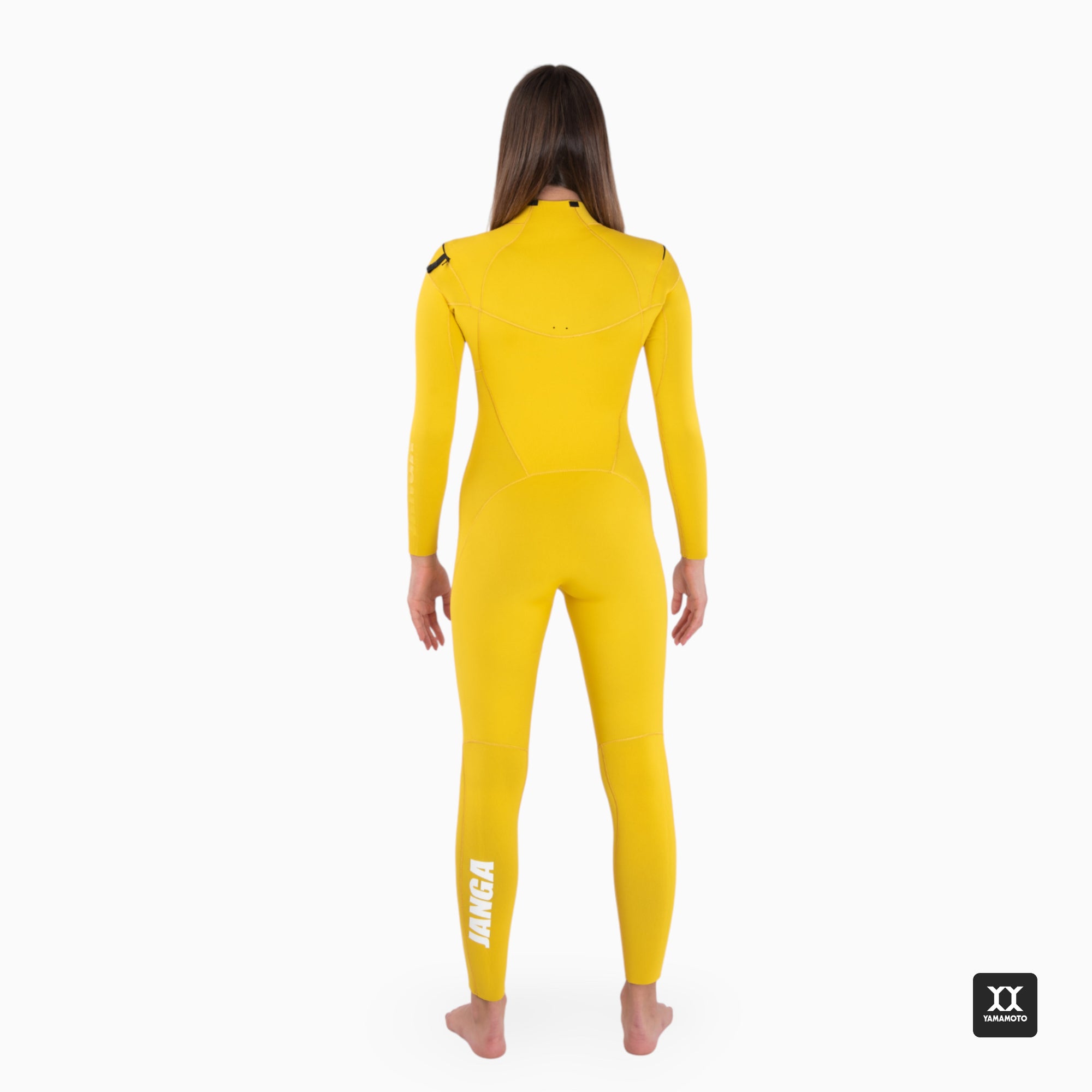
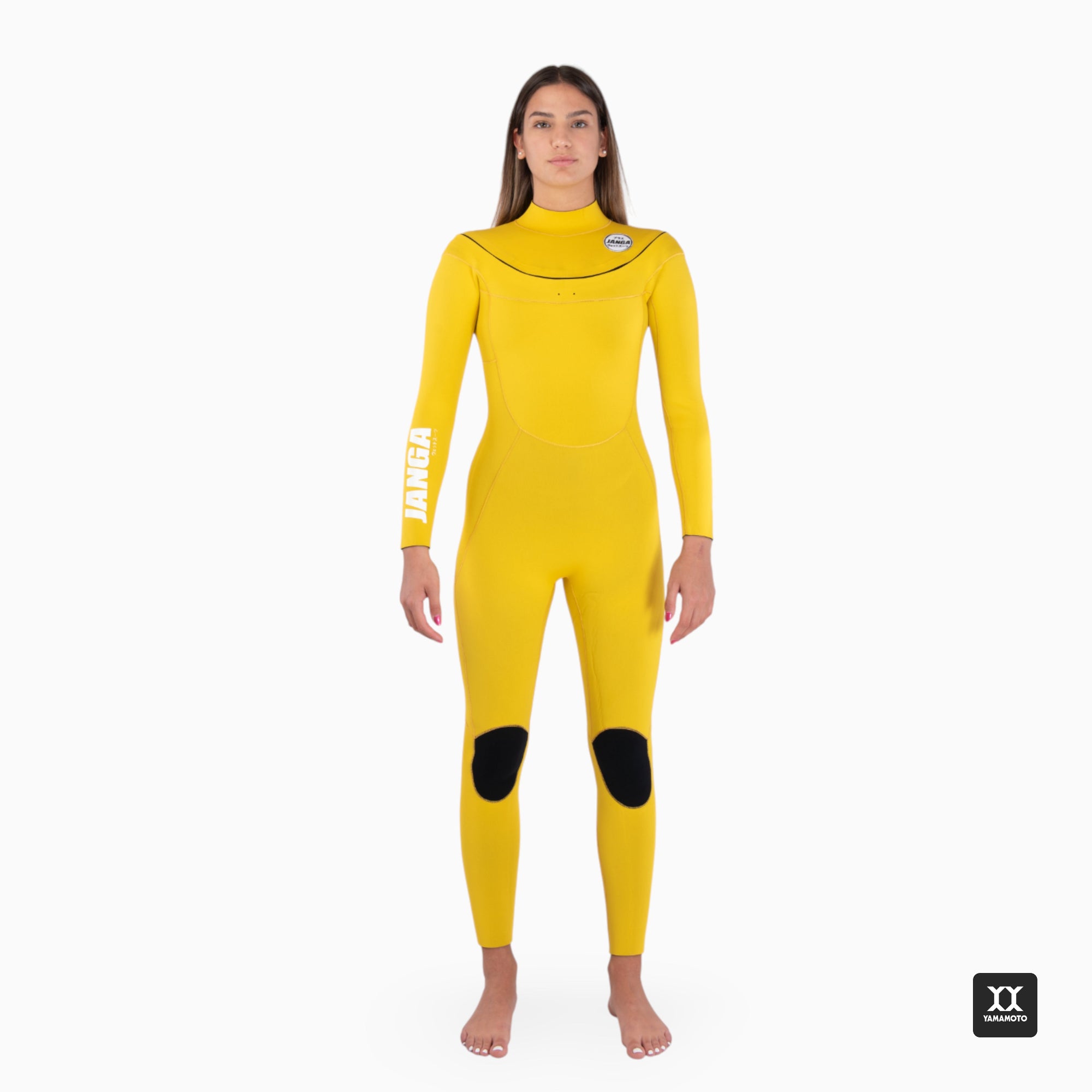
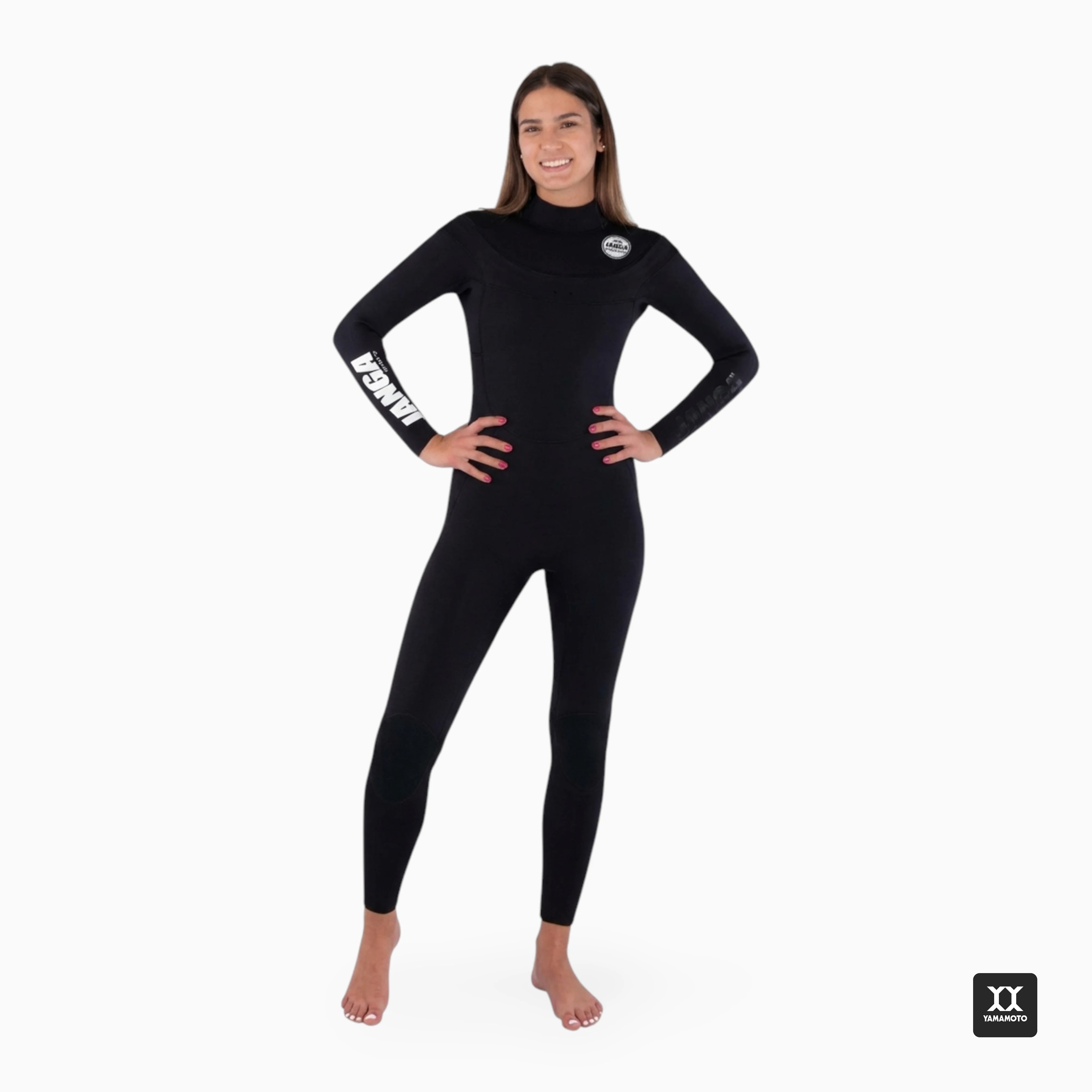
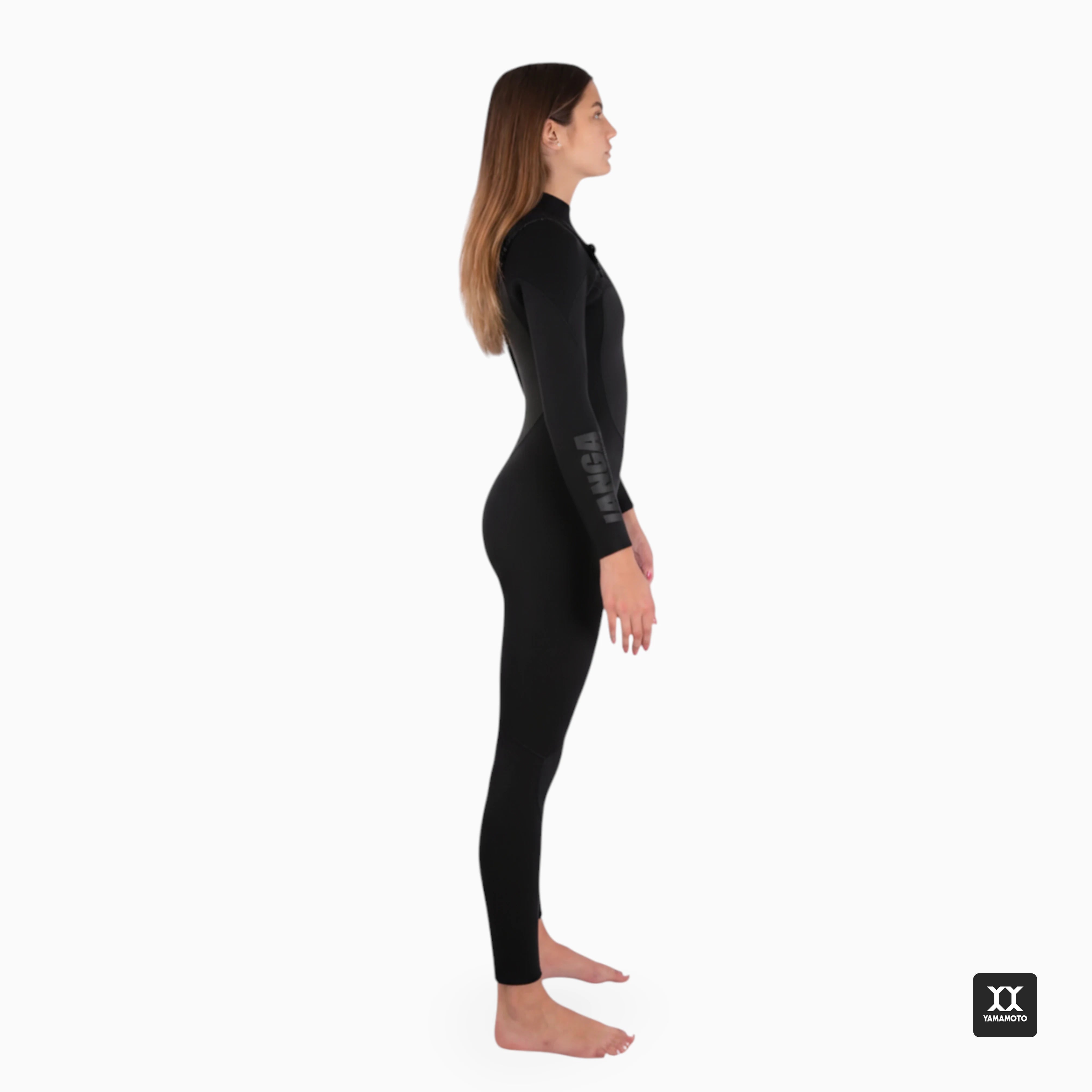
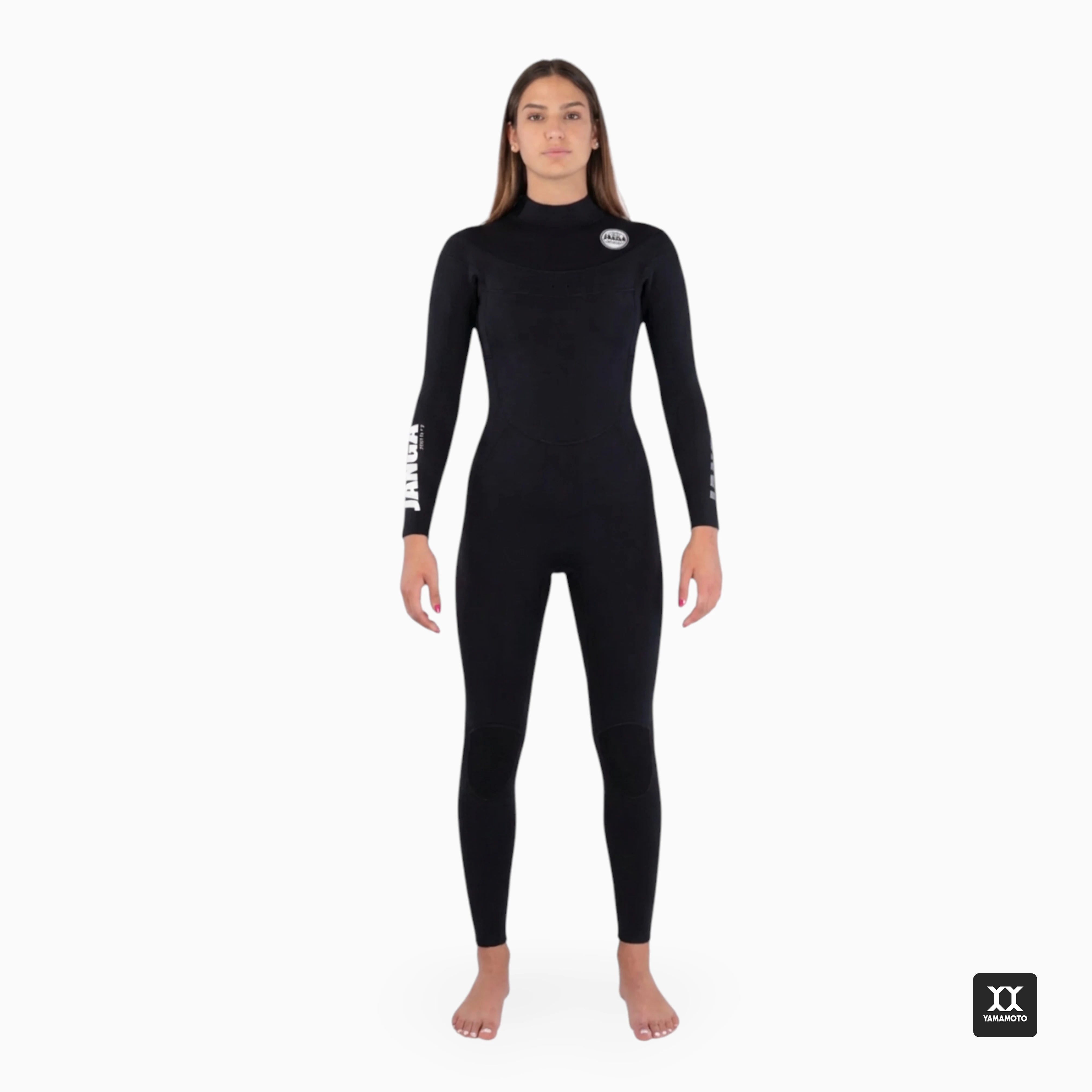
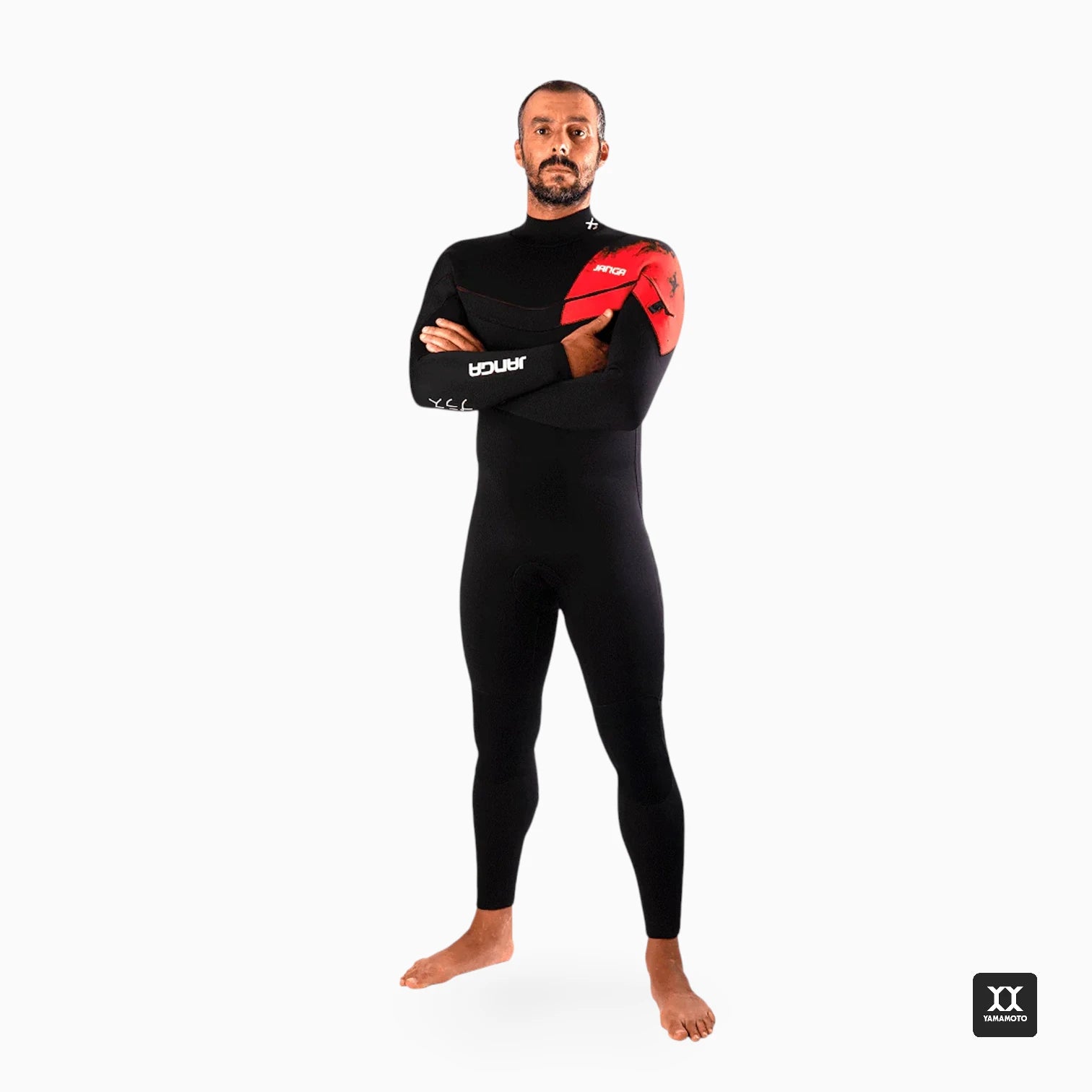
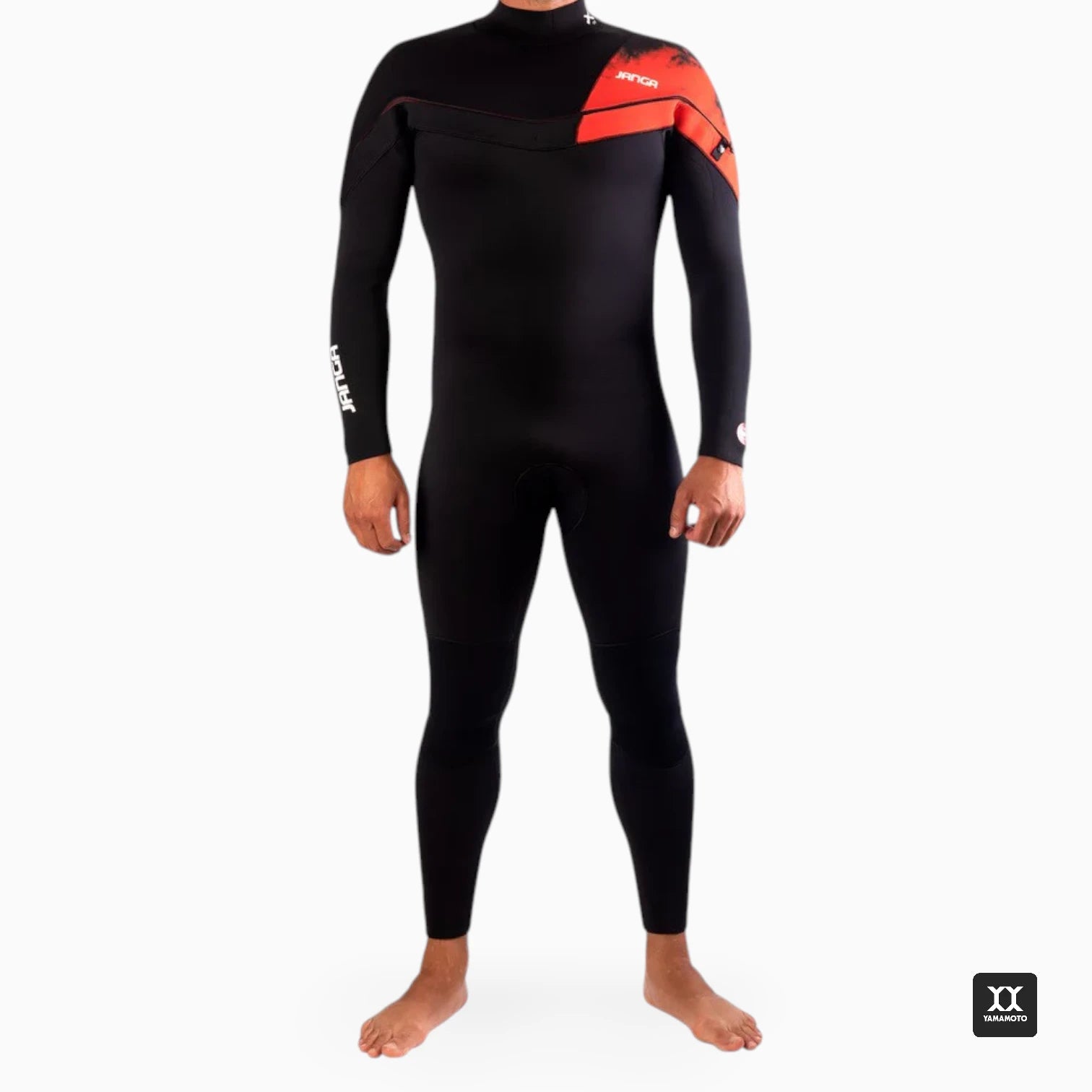
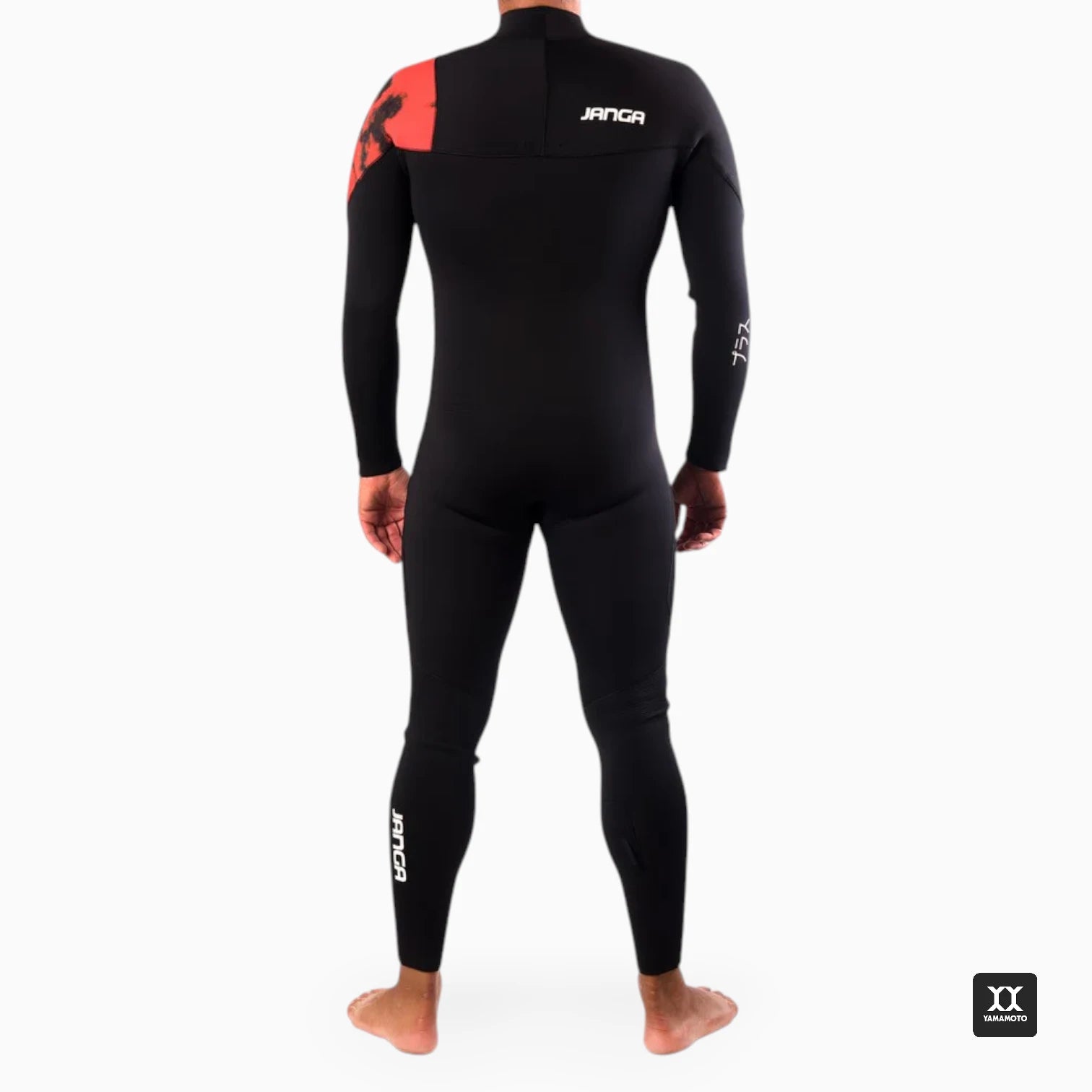
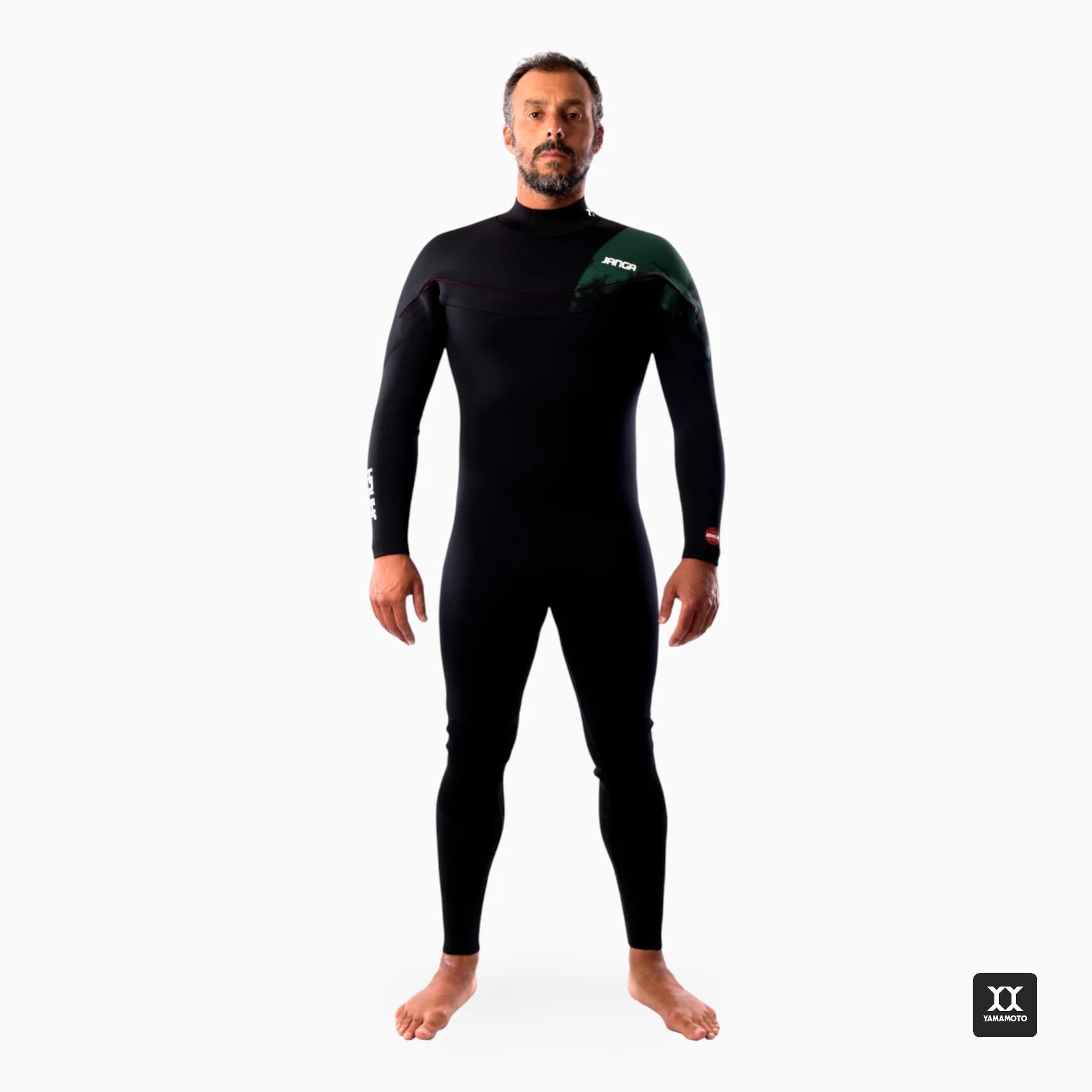
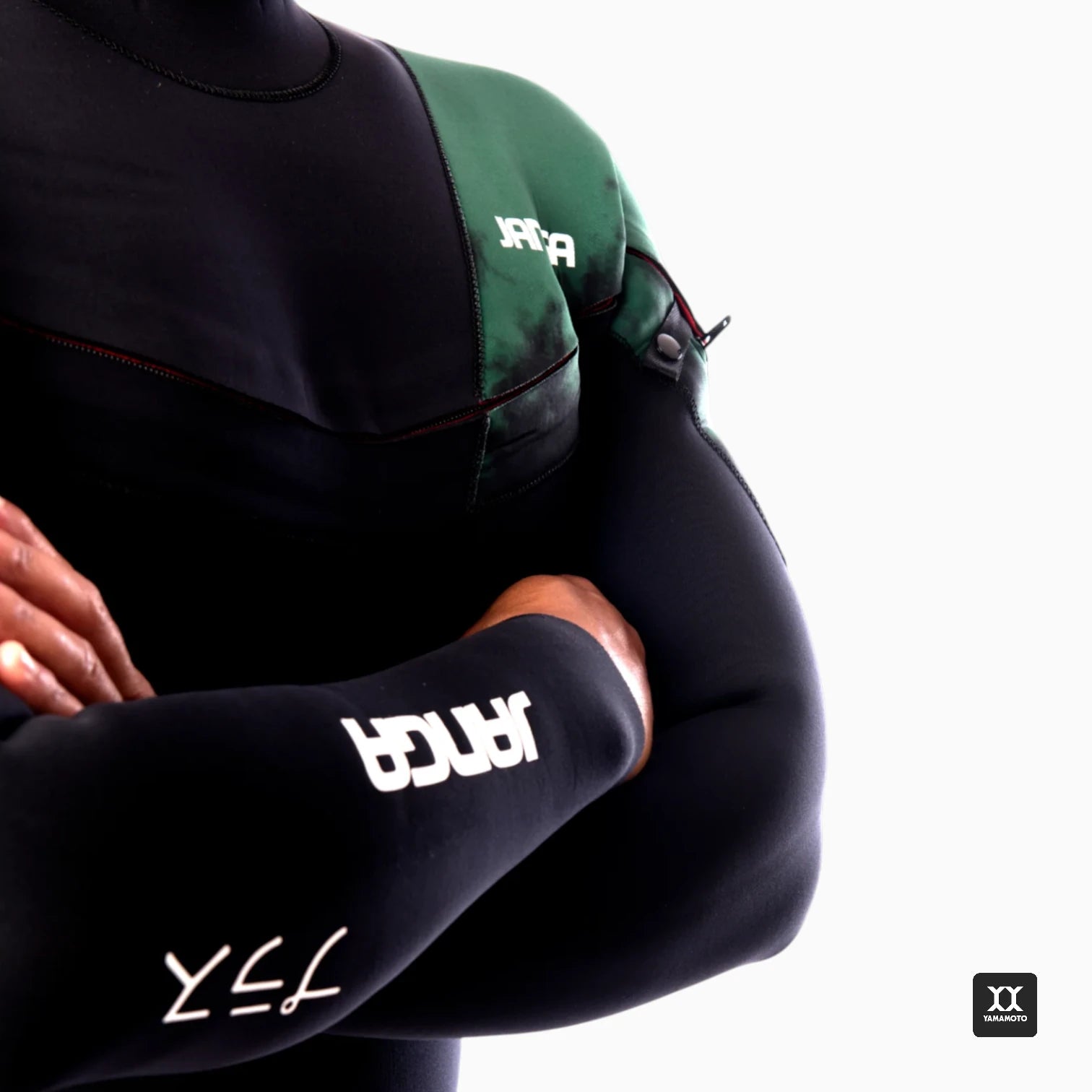
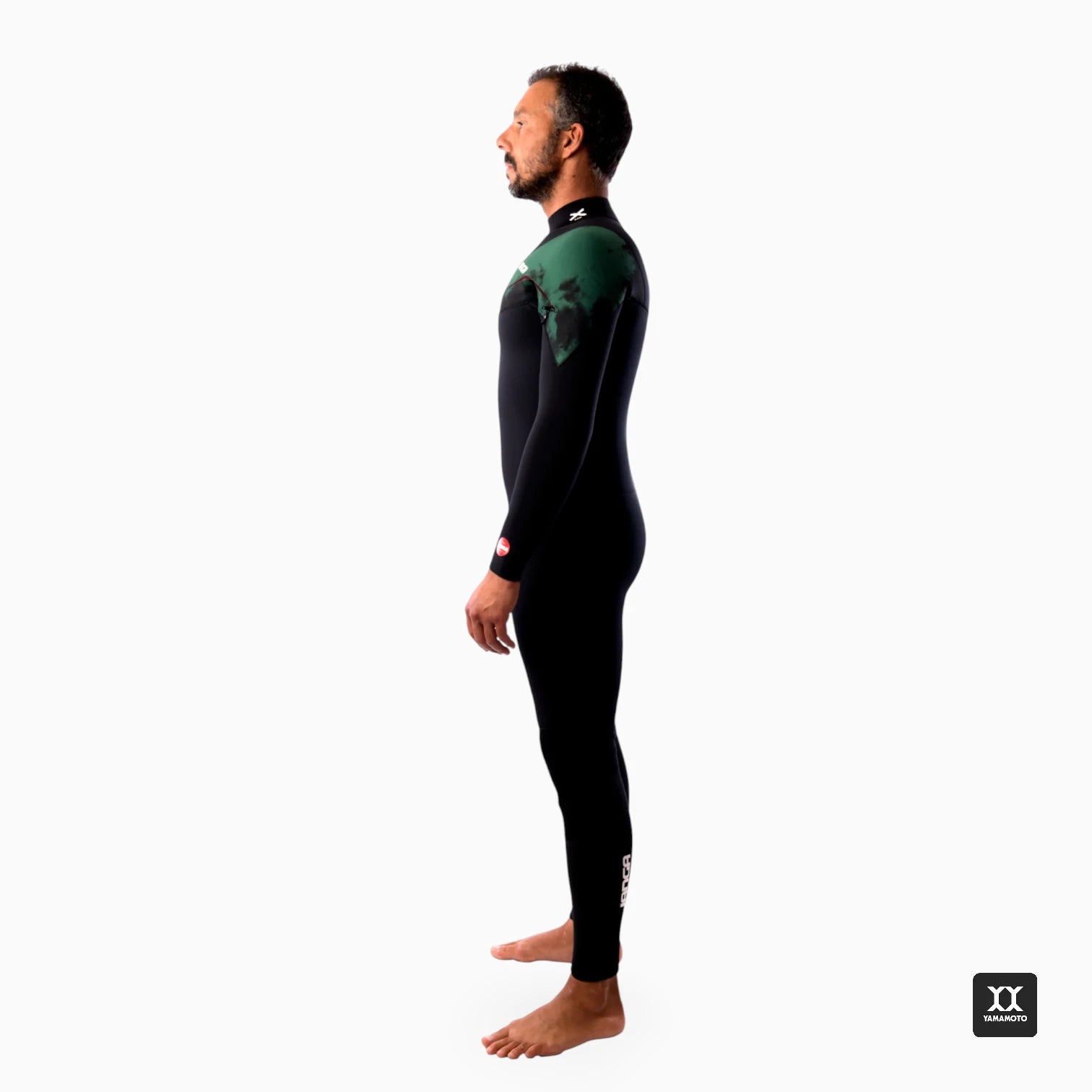
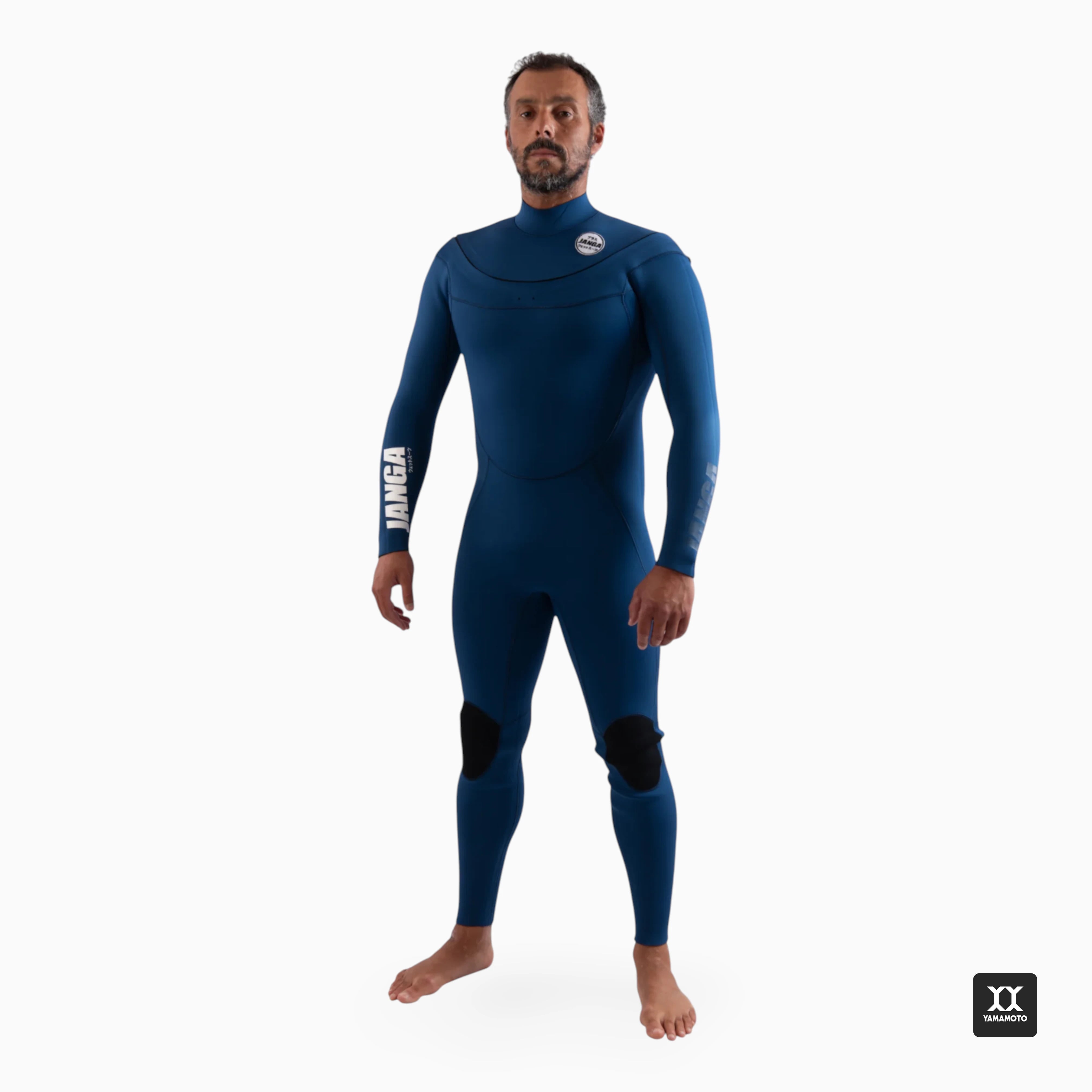
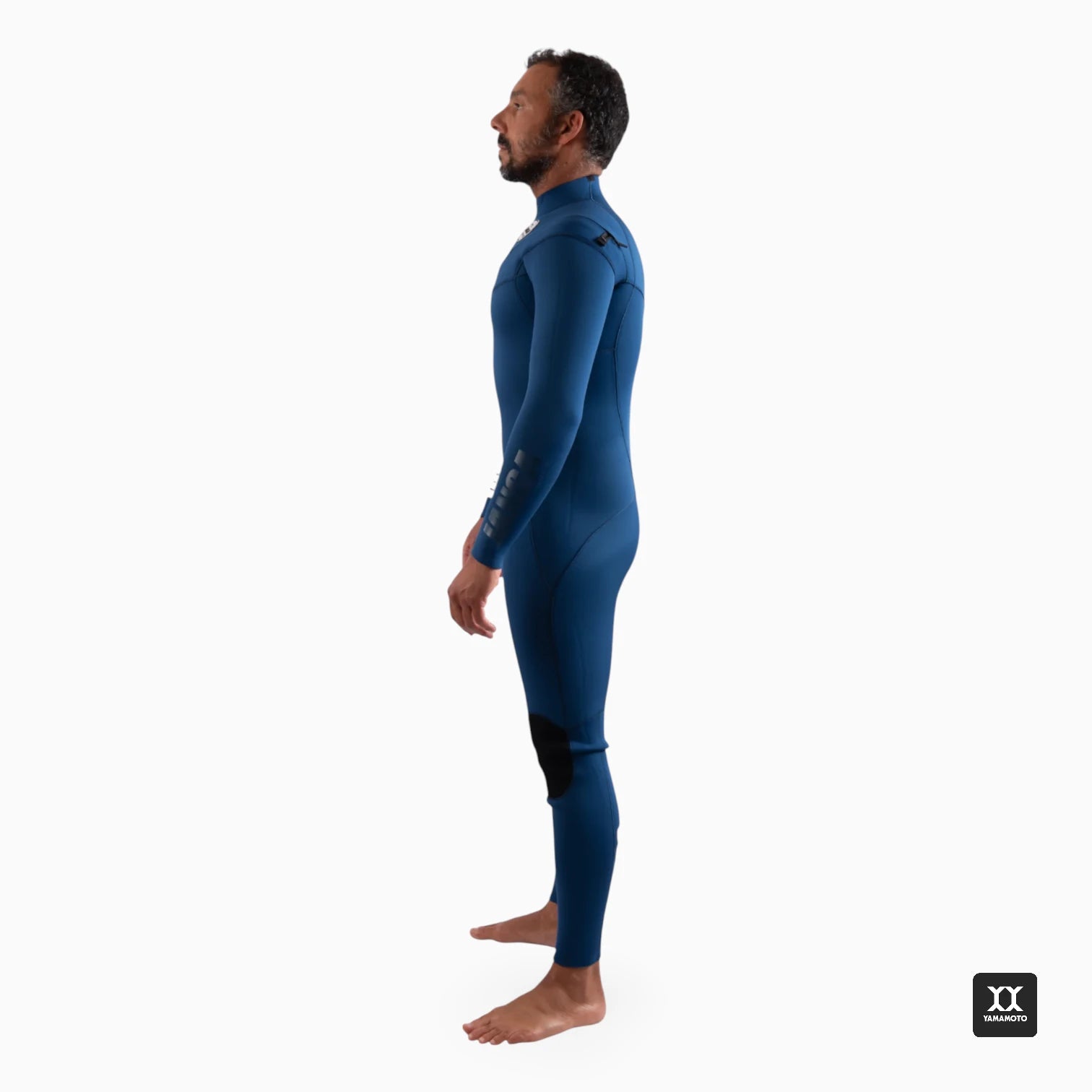
JANGA's dual-material technology
Not all parts of a wetsuit do the same job — so we don't use the same neoprene everywhere. JANGA combines different cell structures to balance insulation, comfort, and durability where it matters most.
#39 Cell — maximum warmth & durability
- Used in the core and torso panels
- Dense, closed-cell structure that traps heat efficiently
- Keeps your core warm, which helps your body stay relaxed and perform better
When your core stays warm, everything else works better — breathing, paddling, and endurance.
#40 Cell — ultimate flexibility
#40 neoprene (the highest quality neoprene available) features a 93% closed-cell ratio—making it up to 23% more insulating and 95% water-impermeable compared to petroleum-based alternatives.
- Used in arms and legs (where applicable)
- Higher stretch and rebound for full range of motion
- Makes paddling smoother and movements feel natural
This is where you feel the difference most — fewer restrictions, more flow, and less fight when you put it on.
Caring for your wetsuit
- Rinse after every session. Fresh water only. Salt kills stretch over time.
- Dry in the shade. Turn it inside out first, then right-side out. No direct sun.
- Store properly. Hang on a wide hanger or fold gently — never crumpled.
- Go easy on zippers and seams. Treat the suit with care and it'll last for years.
Yamamoto vs Yulex® vs Normal neoprene
| Feature |
Yamamoto Neoprene |
Yulex® Natural Rubber |
Standard Neoprene |
| Stretch |
Very high |
Moderate |
Average — depends on grade |
| Warmth |
Excellent |
Warm |
Warm |
| Durability |
Holds shape well, strong compression resistance |
Good, may lose stretch faster |
Compresses and wears faster |
| Carbon footprint |
Limestone-based |
Plant-based rubber, very low impact |
Petroleum-based |
| Feel on skin |
Very soft, low irritation |
Slightly firmer feel |
Can feel rubbery |
| Price |
Premium |
Premium |
Budget to mid-range |