How thick should your wetsuit be?
1 – 2mm - best for warm water, tropical trips, summer surf, snorkeling, swimming, wake sessions, and light protection from sun, wind, board rash, or reef. They are usually the easiest to move in and feel more like a second skin than serious armor.
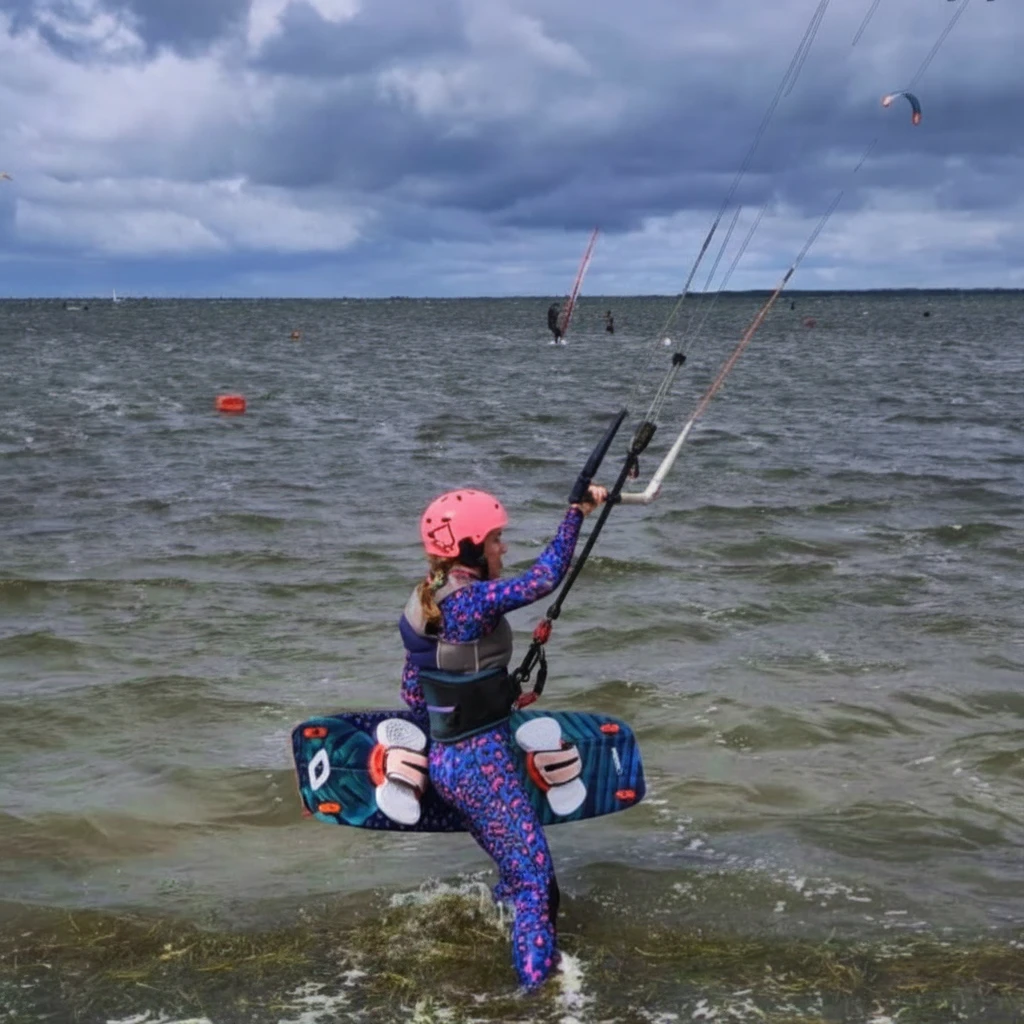
3/2mm - the classic spring and fall choice for surfing, kiting, wakeboarding, and paddle sessions. You get more warmth through the body, but still enough stretch in the arms and shoulders to move, paddle, and not regret your life choices halfway through the session.
4/3mm - better for colder surf, windy kite days, and cooler water where warmth matters more. They still work for active sports, but you start to feel a little more structure and thickness.
5/4mm and thicker - made for cold water. Think winter surf, cold-water diving, serious kite sessions, or long exposure in rough conditions. They are warmer, heavier, and usually need good seams, a solid zip system, and sometimes a hood, gloves, or booties.
So the simple rule is: warmer water and more movement = thinner and stretchier. Colder water, more wind, or longer sessions = thicker and more coverage.
Size, fit, and size chart
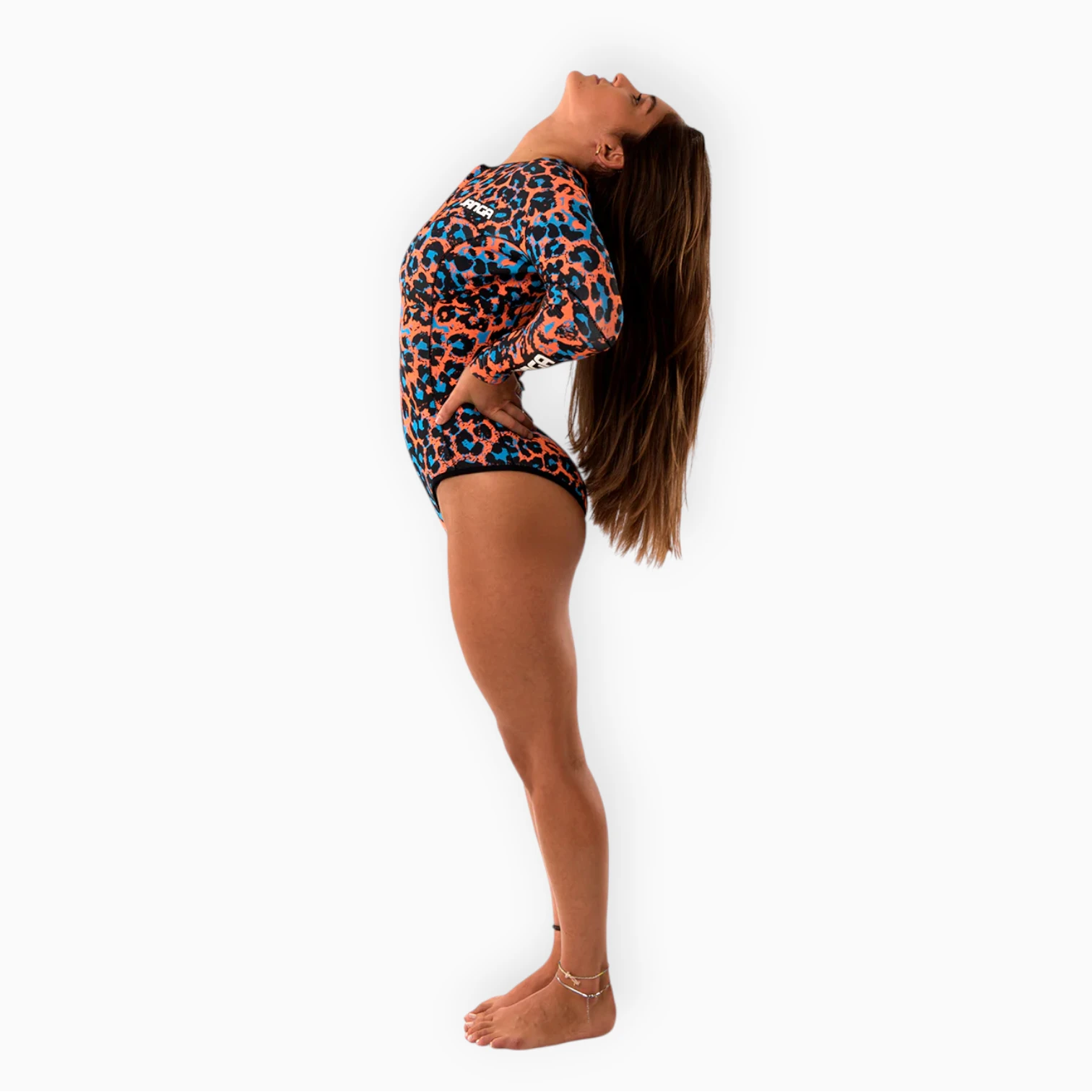
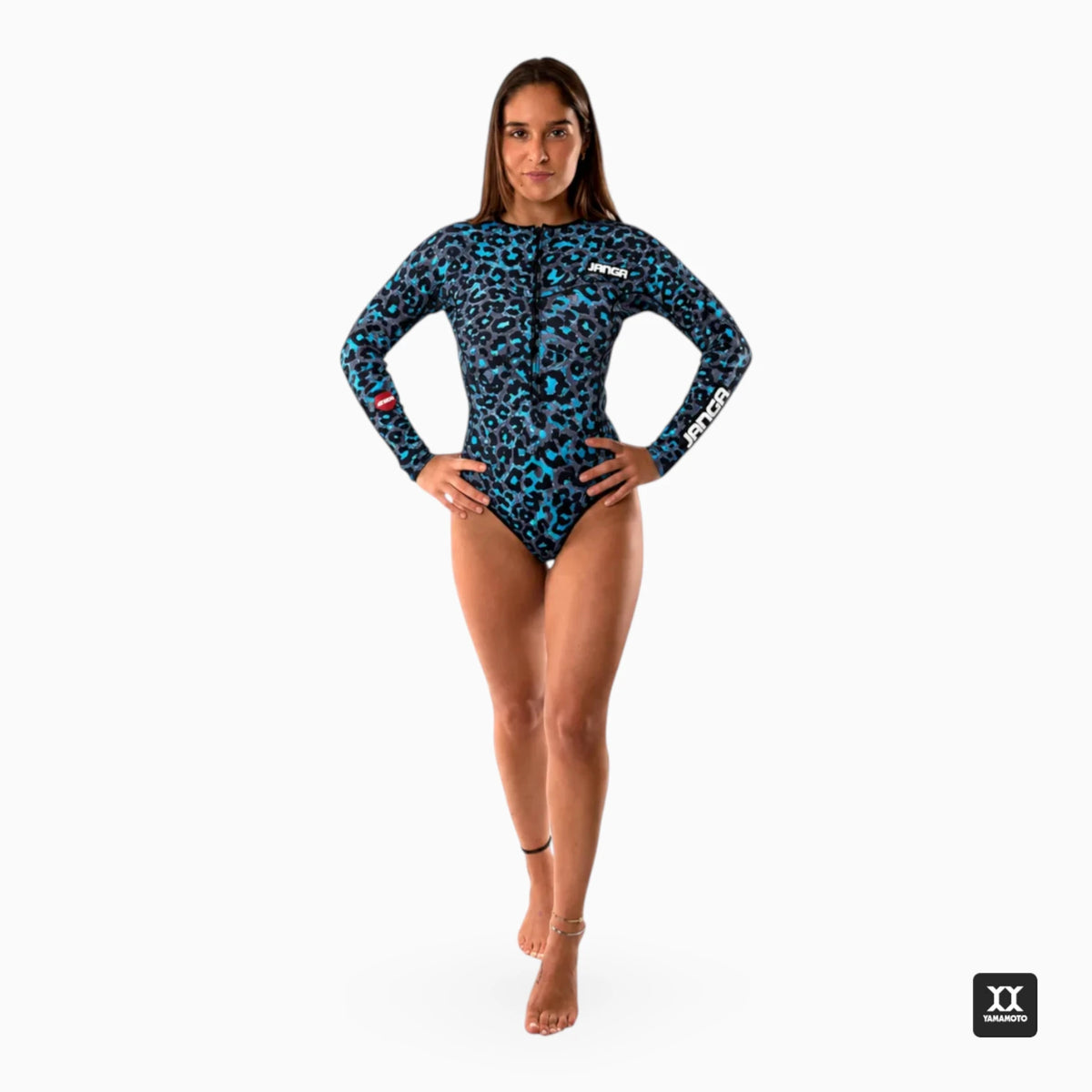
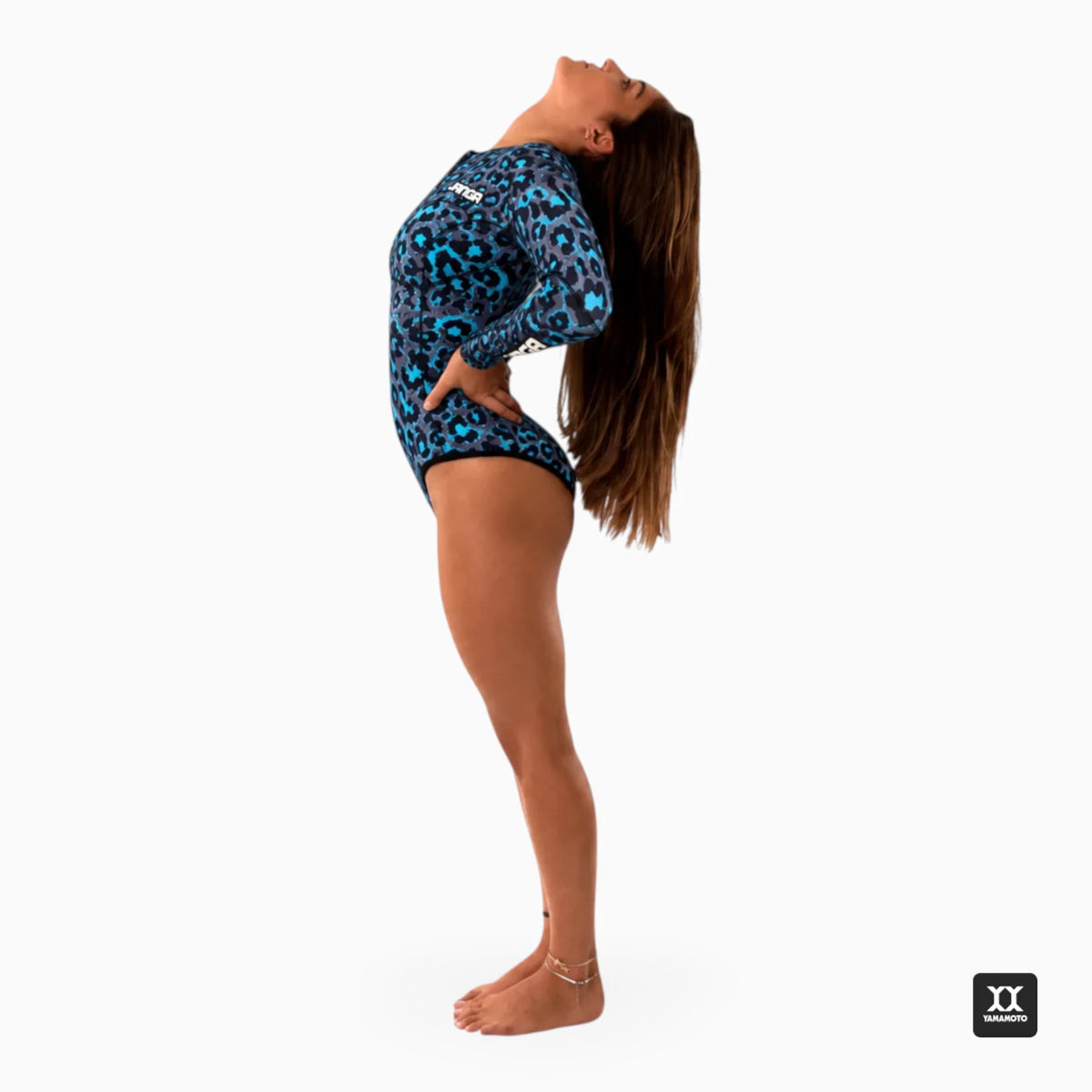
The right size should feel snug, but not painful. A women's wetsuit should follow the body closely so water does not flush through too much, but it should still let you paddle, breathe, bend, and move naturally.
Before ordering, always check the size chart. If a suit is too big, it may let in too much water. If the size is too small, you may feel restricted, and the suit may wear faster from over-stretching.
If you are between sizes, compare your height, weight, chest, waist, and hips. And yes, measuring yourself is annoying. But returning the wrong size is more annoying.
How to keep your wetsuit alive longer
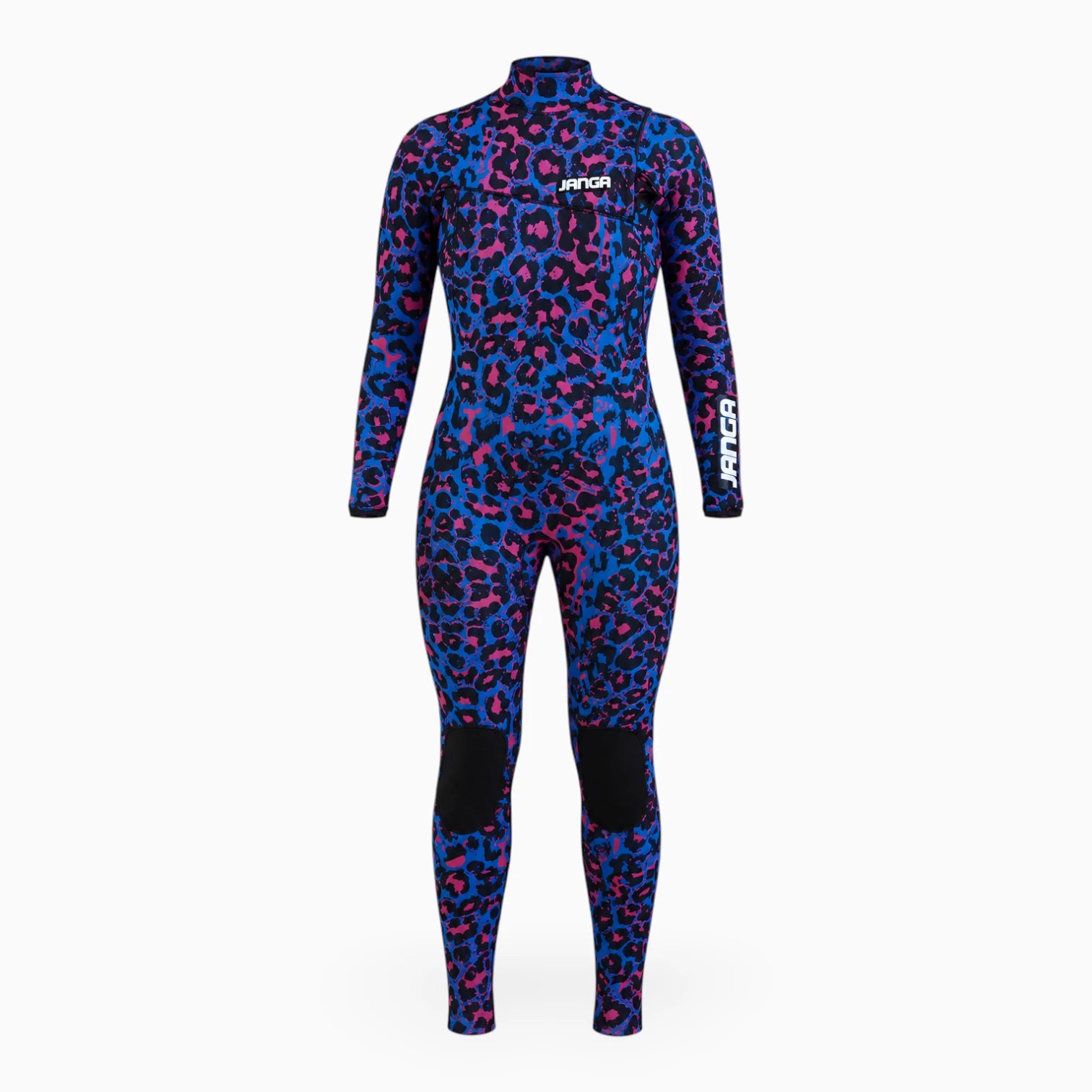
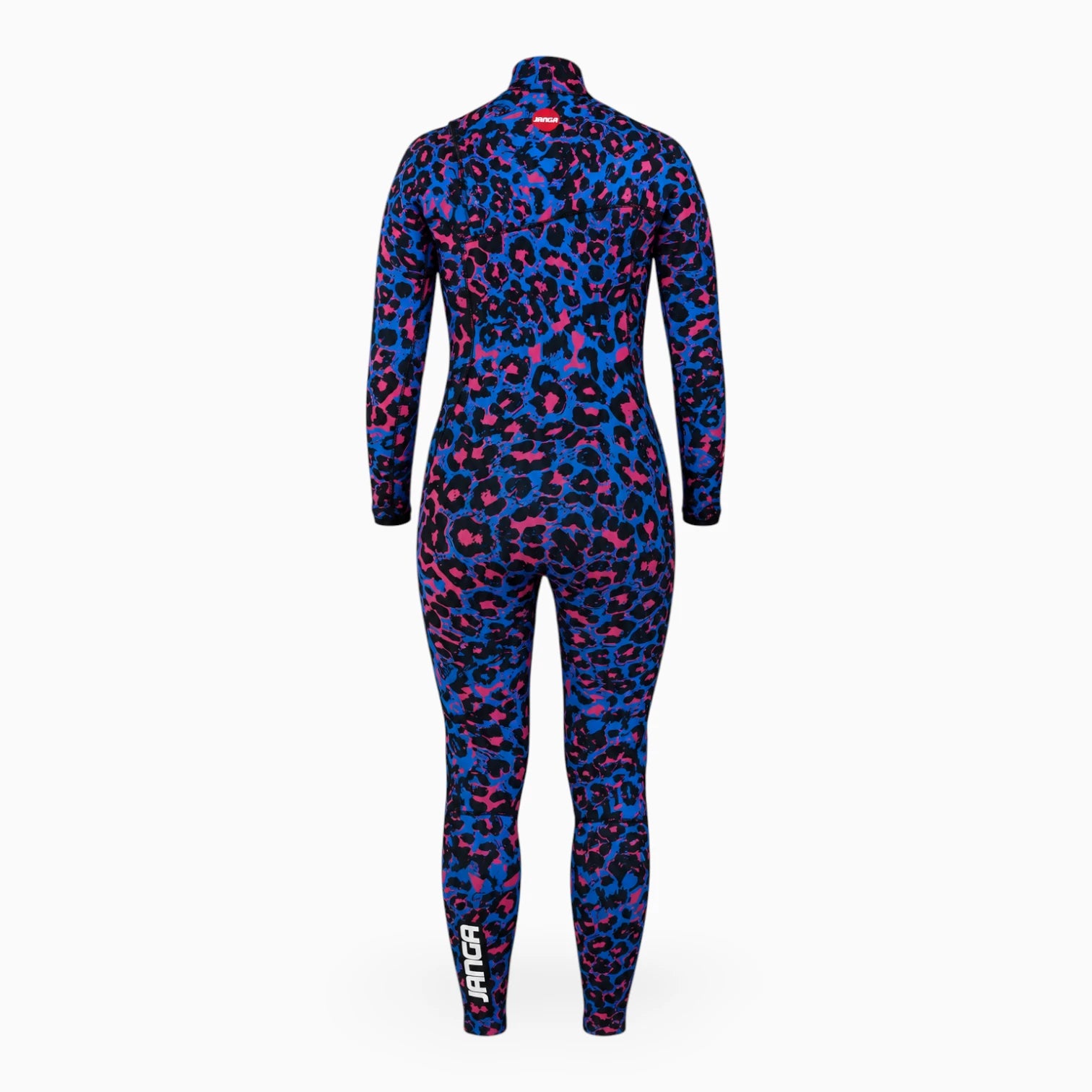
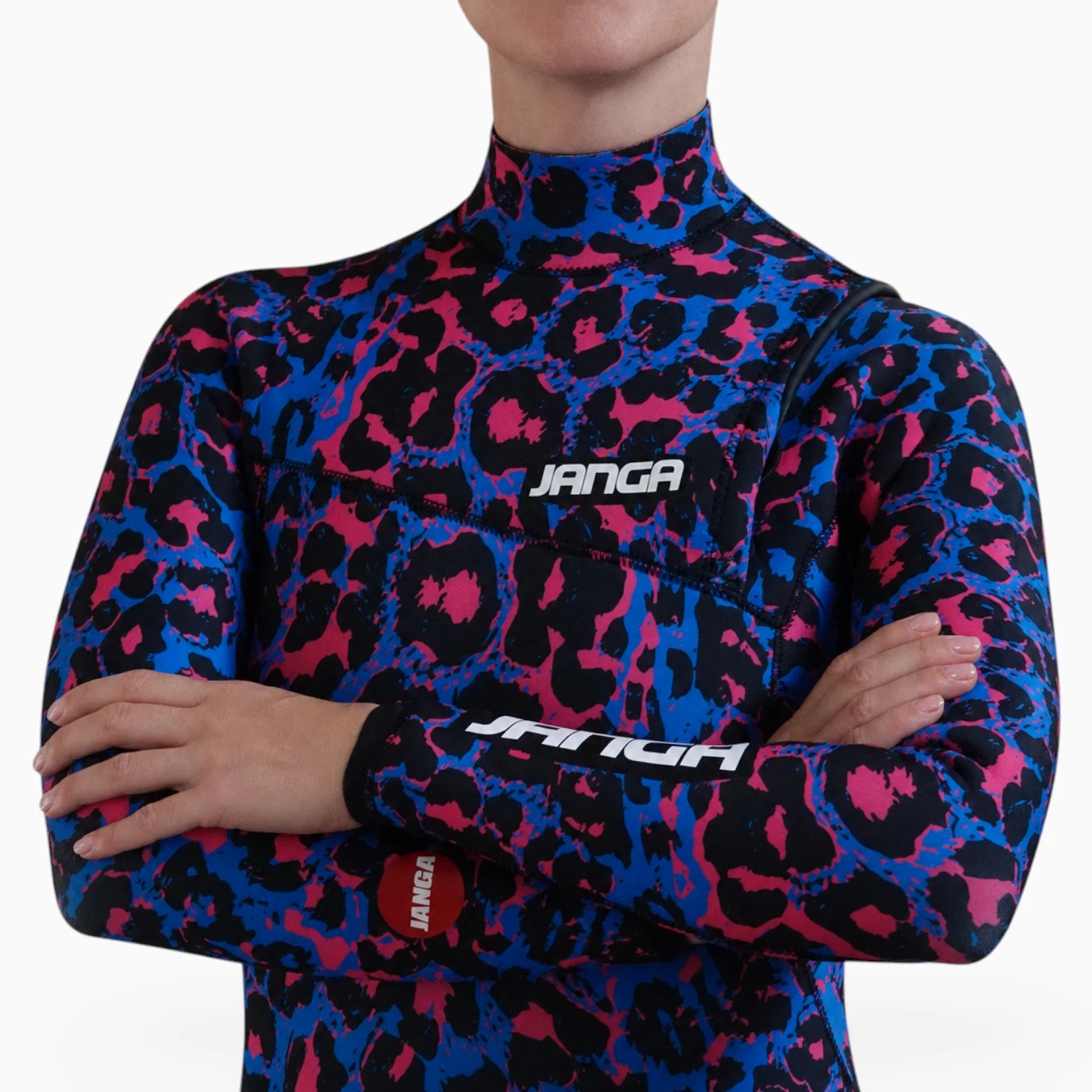
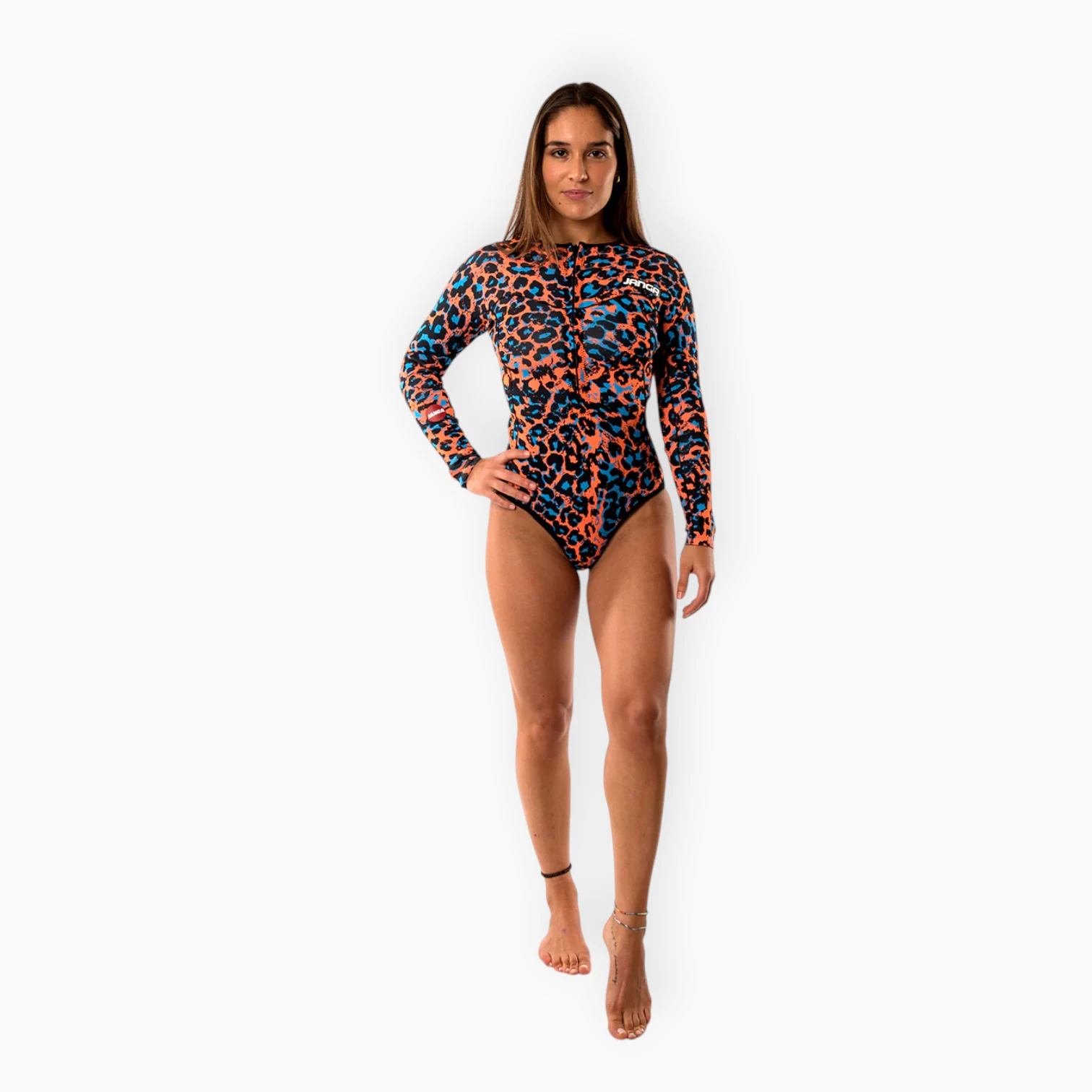
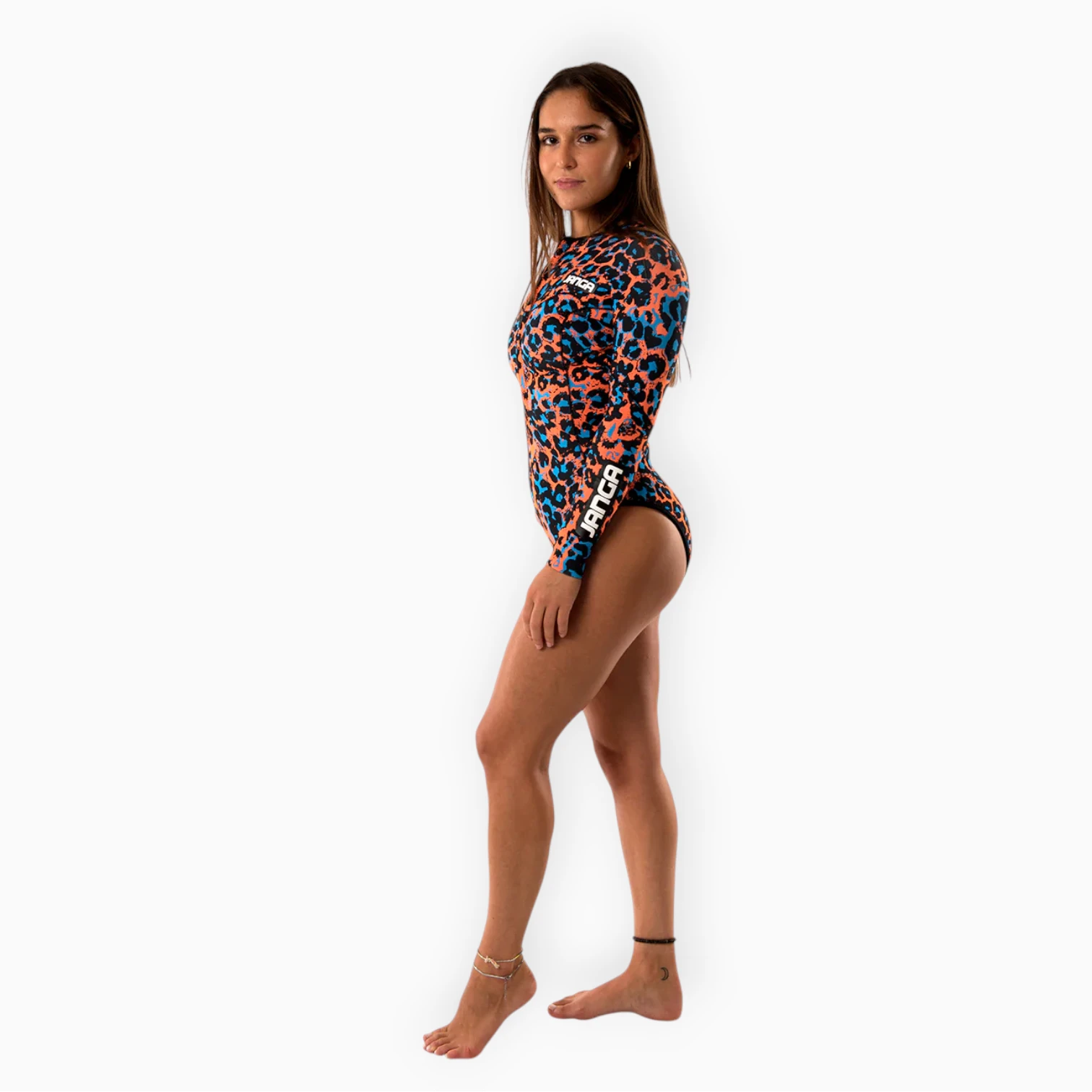
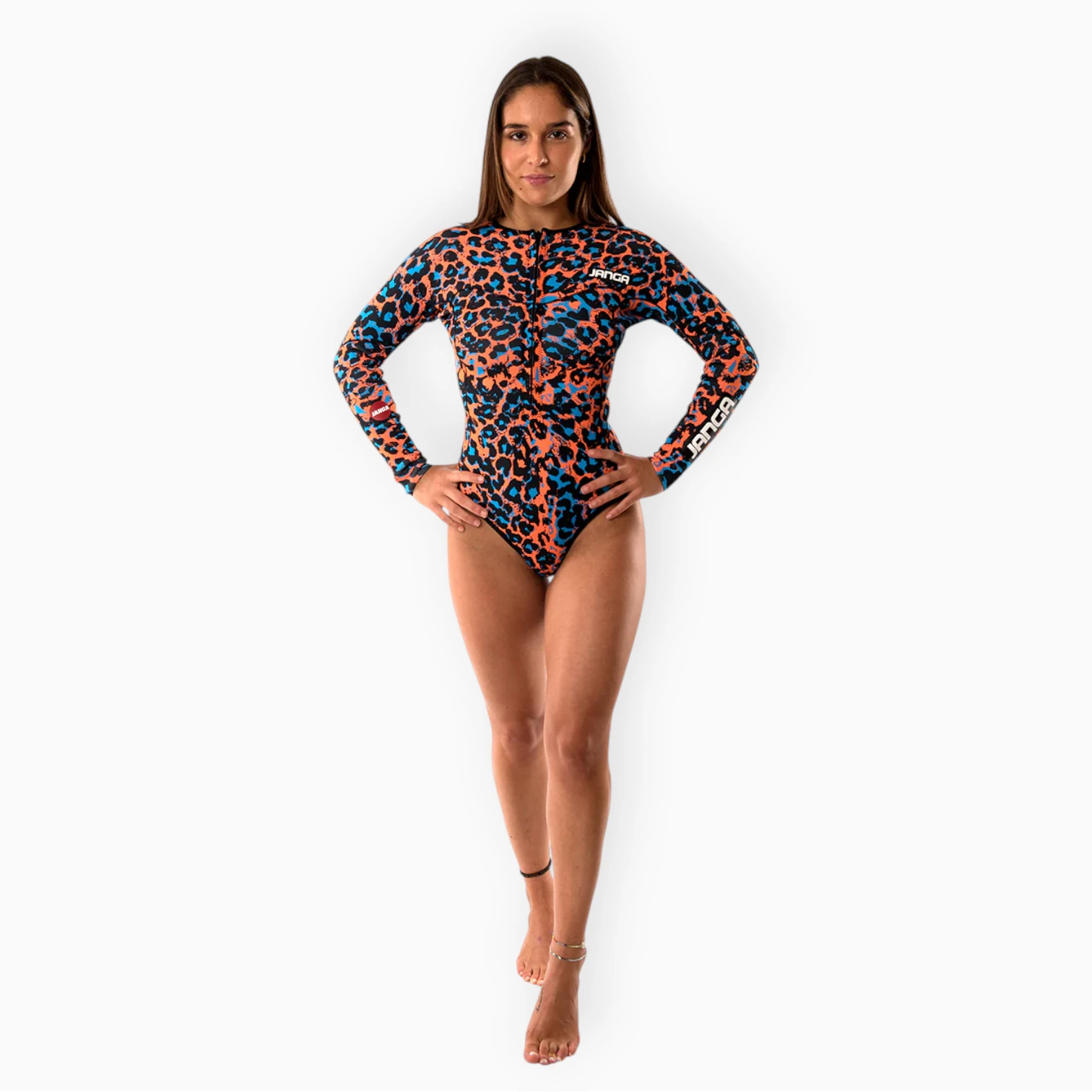
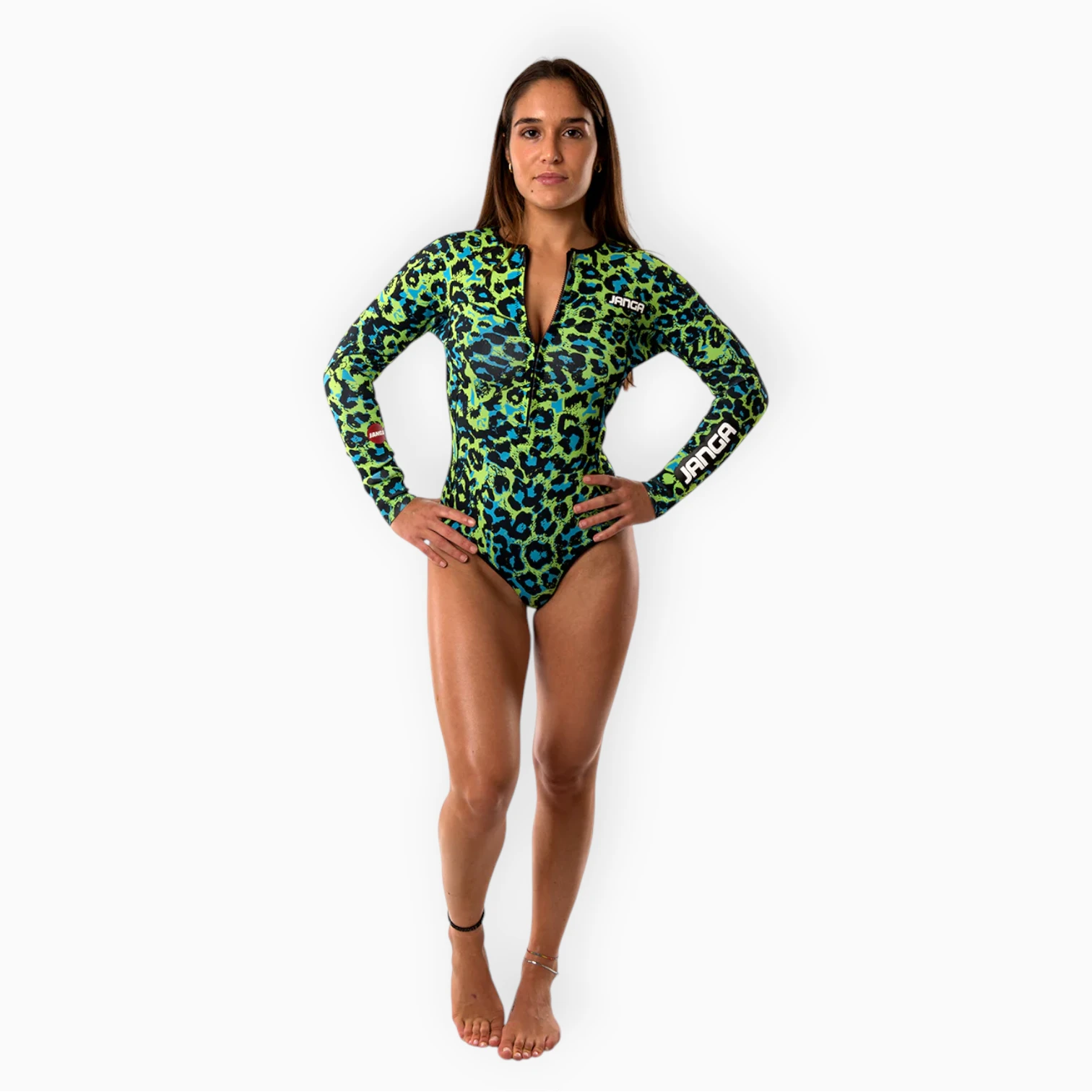
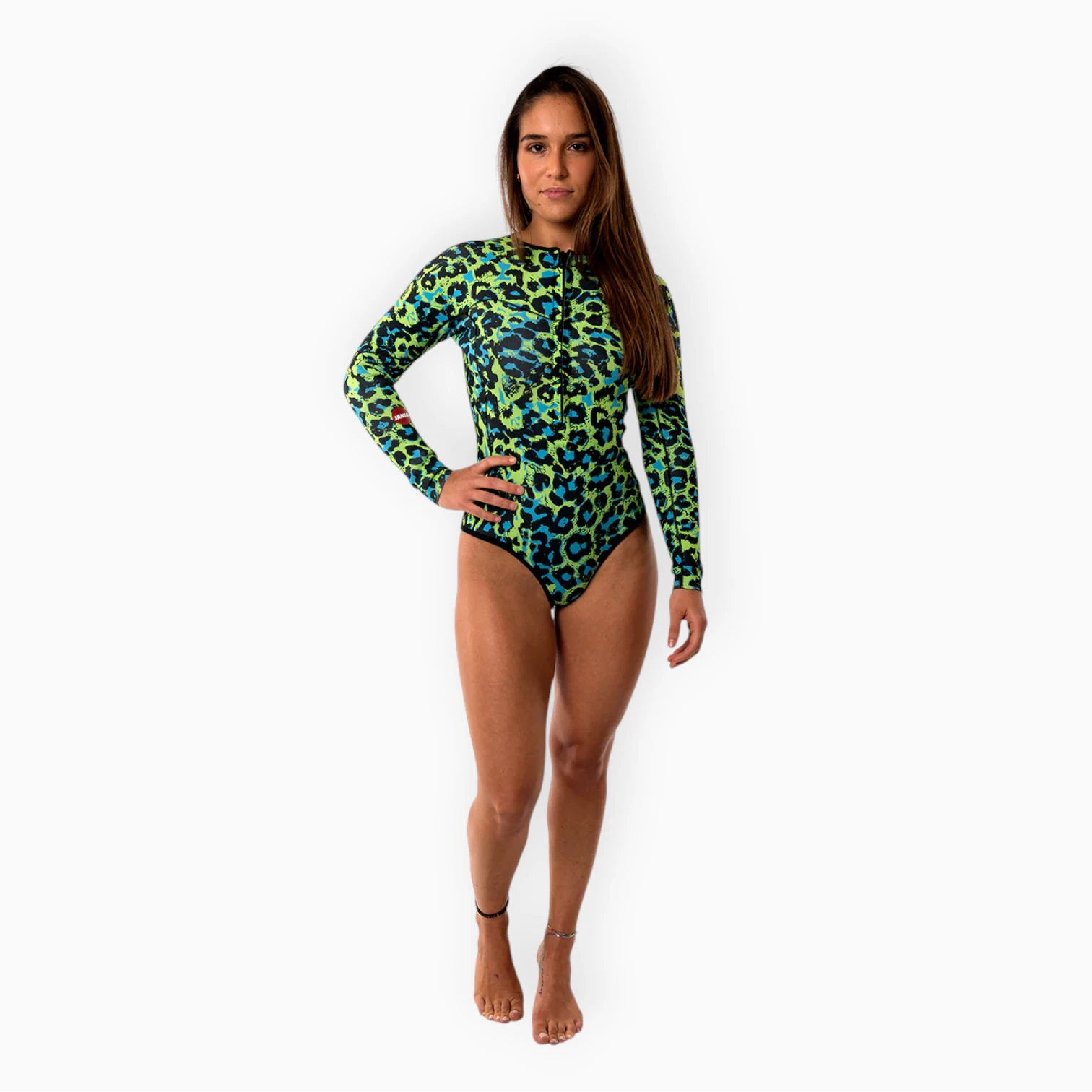
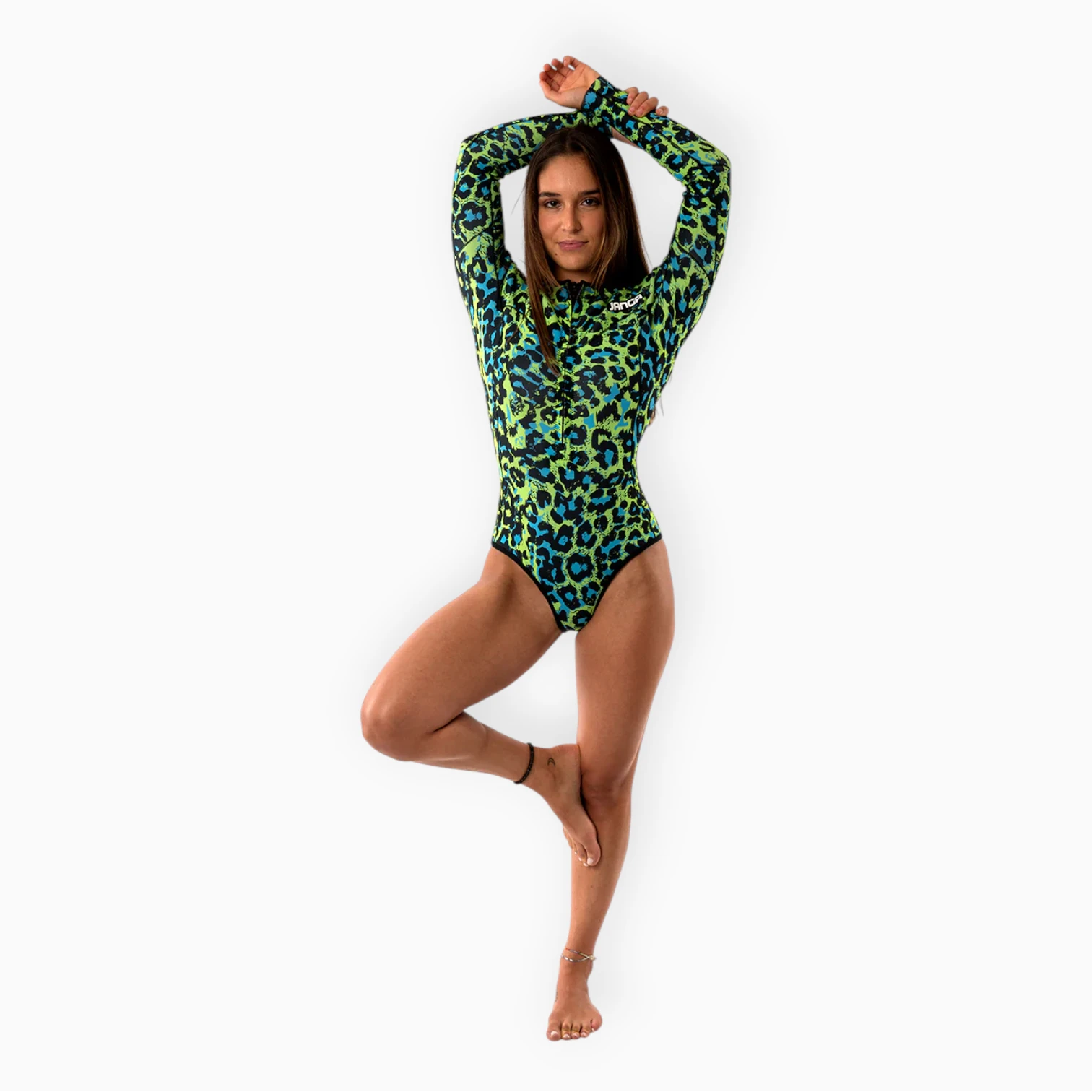
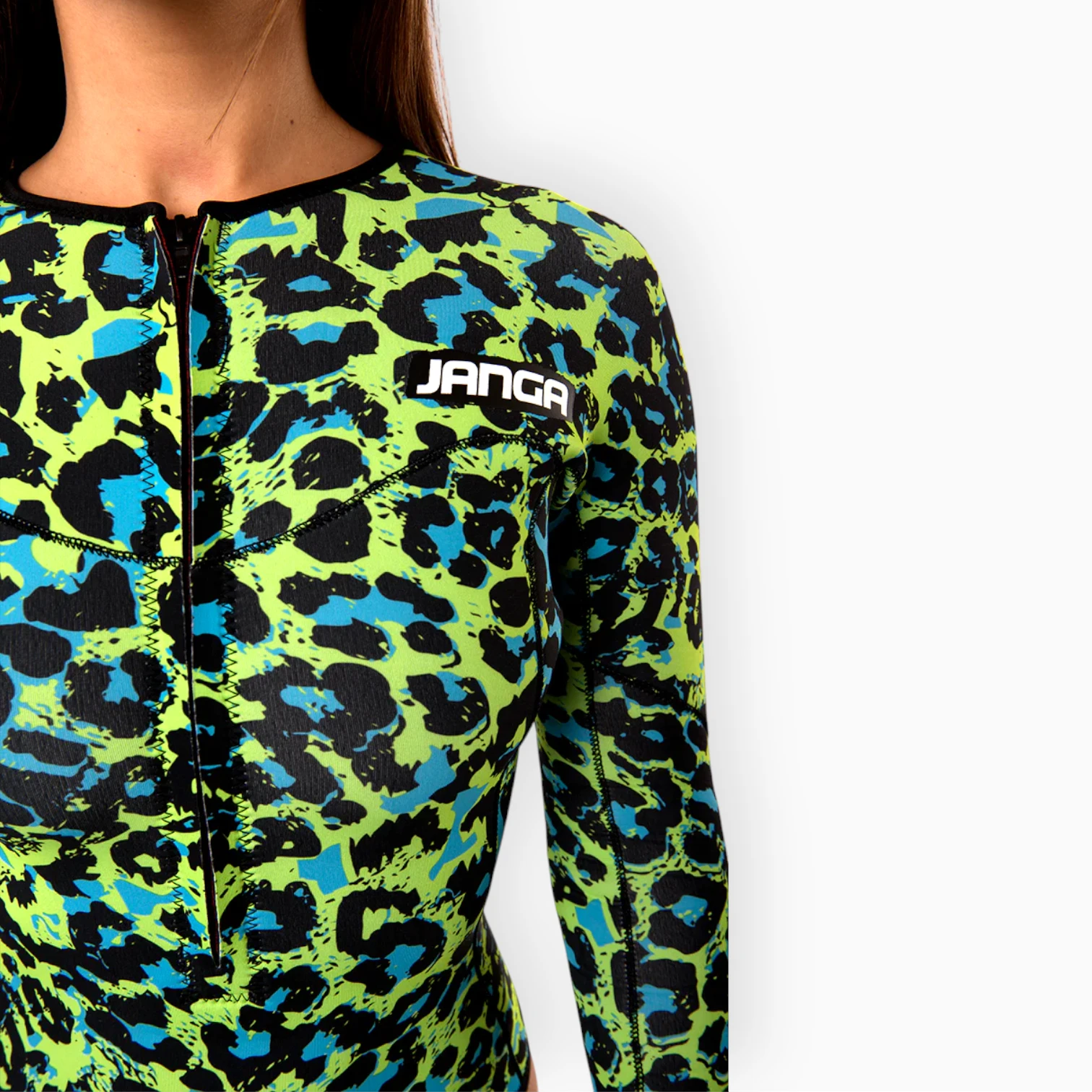
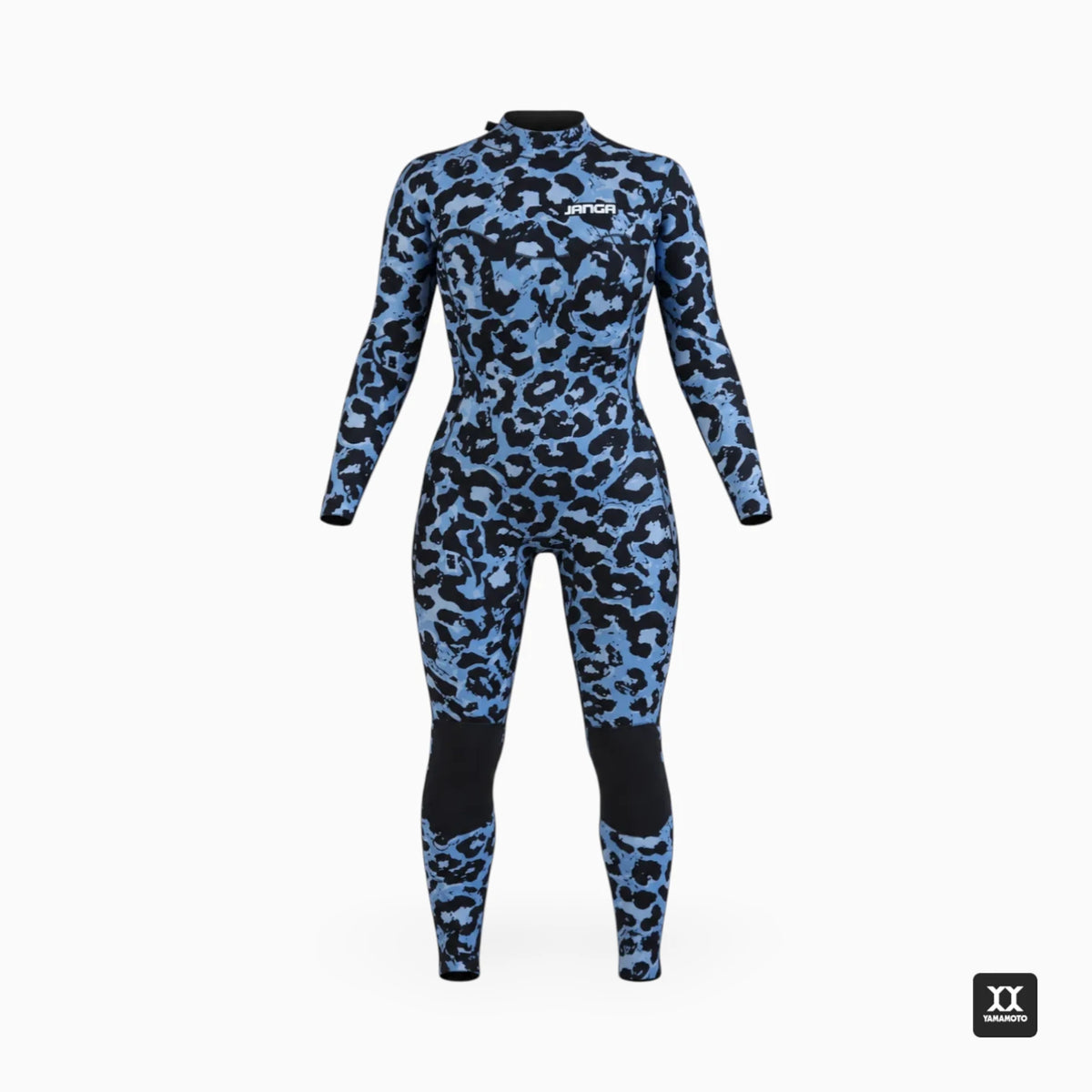
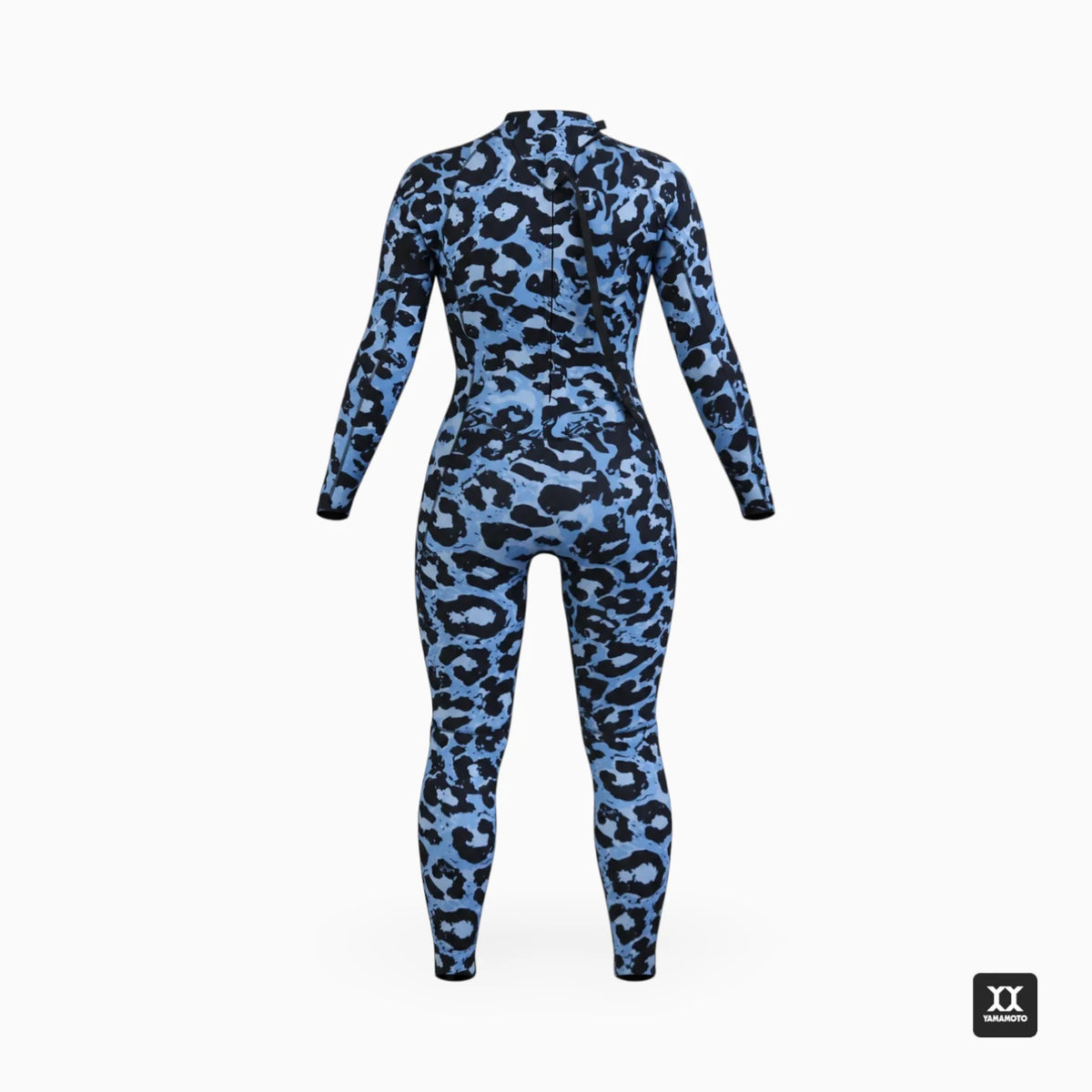
A leopard wetsuit deserves a long life. Also, wetsuits are not cheap, so let's not murder them with bad habits.
Rinse it with fresh water after every session. Do not leave it baking in the back of your car like a sad neoprene pancake. Dry it in the shade, not under direct sun. Use a wide hanger or fold it over a rail instead of stretching the shoulders. And try not to yank the zipper like you are starting a lawn mower.
Small care habits make a big difference. They help protect the fabric, keep the stretch, and make the suit feel better for longer.
So yes, leopard print brings the energy. But the suit still has to do the real job: move with you, keep you comfortable, and survive more than one good-looking beach photo.